The Rikers 2032 Compromise: Why City Hall's Realistic Timetable Demands Uncompromising Oversight
Mayor Zohran Mamdani's revised 2032 Rikers Island closure roadmap trades dangerous bureaucratic fiction for actionable governance, but its success hinges on whether New York City can insulate its $146 million diversion investments from future institutional neglect.
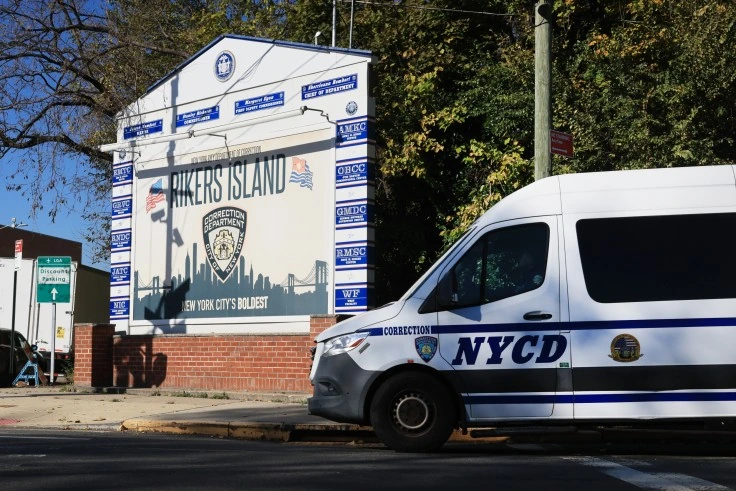
- Editorial Board assesses City Hall's 2032 Rikers Island roadmap: embracing operational reality over an unachievable 2027 statutory fiction is responsible governance.
- Delaying closure by five years is acceptable only if accompanied by rigid, legally binding construction milestones and an immediate reduction in pretrial detention.
- City Hall must resist political pressure to water down the $146M mental health diversion investments when subsequent budget cycles tighten.
In public administration, there is a profound, moral distinction between an honest recalibration of difficult reality and an unprincipled retreat from institutional responsibility.
For the past three years, New York City government engaged in an elaborate, corrosive exercise in civic pretense. Everyone with even a passing familiarity with municipal contracting, structural engineering, or criminal court arraignments knew that the statutory August 2027 deadline to shutter the Rikers Island jail complex was dead in the water. Supply chain ruptures had brought foundation excavation at the borough-based jail sites to a crawl. The daily jail census, rather than declining toward the statutory threshold of 3,300, crept stubbornly above 6,000 as mental health crisis intervention systems cracked under post-pandemic strain.
To persist in claiming that the 413-acre East River penal colony could be safely evacuated and permanently padlocked within thirty-two months was no longer an expression of progressive ambition. It had degenerated into a dangerous lie that paralyzed constructive oversight and allowed conditions inside the squalid, century-old cell blocks to deteriorate further.
By formally resetting the finish line to December 31, 2032, Mayor Zohran Mamdani and his criminal justice team have chosen the arduous path of operational honesty over political theater. They deserve credit for confronting the reality of the crisis directly. But let no one mistake an honest timeline for an acceptable status quo. A five-year extension is a bitter, perilous pill that can be justified only by an uncompromising, transparent standard of municipal accountability.
The moral urgency cannot be overstated. Rikers Island is not merely an obsolete detention facility; it is a human rights catastrophe operating within sight of the Manhattan skyline. Every additional day that individuals—nearly ninety percent of whom are unconvicted detainees awaiting trial—spend inside intake pens plagued by mold, violence, and neglected medical emergencies is an indictment of the city's constitutional integrity.
The newly unveiled master blueprint succeeds in several critical respects where previous administrations faltered. By decoupling facility construction from abstract decarceration targets and investing an immediate $146 million into concrete mental health diversion beds, supportive housing vouchers, and specialized pretrial navigation networks, City Hall is finally addressing the root causes that churn vulnerable New Yorkers through arraignment courtrooms. The phased construction schedule—opening Brooklyn in 2029, followed by the Bronx and Queens in 2031—gives the Department of Design and Construction an achievable cadence rather than an impossible concurrent deadline.
Yet the greatest threat to this roadmap does not lie in concrete pours or steel fabrication. It lies in the inevitable temptation of municipal politics.
When future municipal budget cycles contract and fiscal watchdogs demand departmental belt-tightening, the non-mandated social investments that underpin this entire plan—the diversion networks, the supportive housing subsidies, the supervised release case managers—will be the first line items targeted for cuts. If City Hall falters in maintaining these investments, the jail census will remain elevated, the borough-based facilities will be dangerously overwhelmed before they even open, and 2032 will simply become the preamble to another shameful postponement.
To prevent this tragedy, the City Council must immediately codify the 2032 milestones into statutory law, complete with enforceable benchmarks that trigger independent judicial oversight should facility deadlines or mental health funding commitments fall behind. The Board of Correction must be granted unhindered, real-time telemetry access to monitor detainee conditions during the transitional years.
Closing Rikers Island is not merely a construction project. It is the defining test of whether the wealthiest, most culturally dynamic city in the world possesses the moral fortitude to treat the vulnerable with dignity. Mayor Mamdani has given New York an honest roadmap. Now, the city must hold him—and every subsequent occupant of City Hall—to its fulfillment without compromise.
Congressional testimony scheduled for later this month is expected to address cross-agency coordination, focusing specifically on supply chain resiliency, sovereign compute clusters, and long-term capital allocation strategies designed to safeguard domestic competitiveness.