Why the FAA System Collapse Exposes Decades of Federal Neglect
The catastrophic nationwide ground stop that paralyzed air travel for over a million Americans is not a fluke contractor accident—it is the inevitable outcome of decades of bipartisan underinvestment in mission-critical public tech.
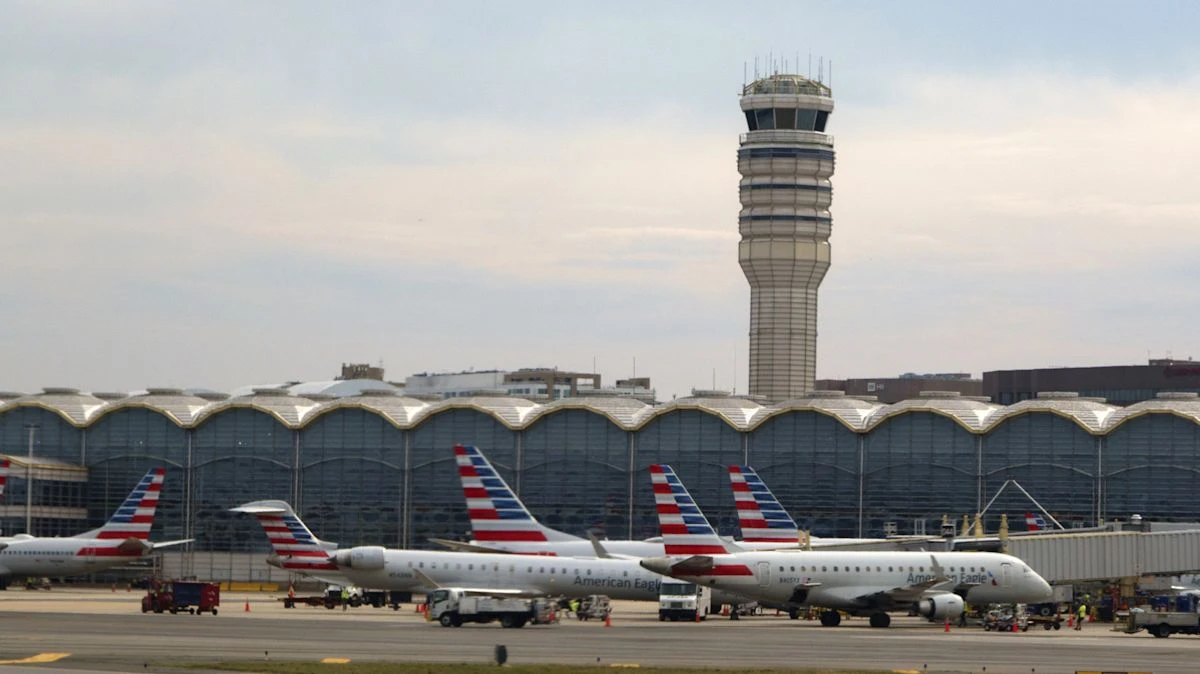
- Nationwide FAA ground stop was a systemic failure waiting to happen after thirty years of deferred modernization.
- Congress and successive administrations have repeatedly treated critical aviation tech funding as a political football.
- A comprehensive National Airspace Reconstruction Act is urgent to replace Cold War computing switches.
When over one million air travelers found themselves stranded inside chaotic airport terminals over the weekend—curled up on carpeted floors, desperately refreshing smartphone apps, and watching flight display monitors flicker into endless columns of cancellations—official Washington responded with its standard repertoire of excuses. Federal officials blamed an unfortunate contractor mistake during a routine fiber-optic cable installation. Airlines pointed fingers at the government. Bureaucrats promised swift investigations and comprehensive audits. But let us be painfully honest with ourselves: what occurred across American airspace this weekend was not an isolated technological hiccup; it was the inevitable, predictable collapse of a national aviation infrastructure that has been systematically starved of modern investment for more than thirty years.
The Federal Aviation Administration’s National Airspace System is a staggering monument to deferred maintenance. Millions of commercial and cargo flights every year are directed through regional control centers that still depend on mainframe computing switches, aging copper communication loops, and software code compiled during the final decades of the Cold War. In a nation that boasts the most sophisticated technology giants on earth—designing quantum processors, reusable rockets, and cutting-edge artificial intelligence—our national air safety relies on digital duct tape and the heroic, exhausting vigilance of understaffed air traffic controllers working mandatory six-day workweeks.
The blame for this structural disgrace lies squarely at the feet of successive presidential administrations and dysfunctional sessions of Congress. For decades, federal lawmakers have treated FAA reauthorization bills as political footballs, holding multi-billion-dollar modernization capital hostage to petty partisan disputes, parochial airport earmarks, and ideological debates over air traffic privatization. While European and Asian aviation authorities systematically transitioned to modern satellite-based digital navigation and modular cloud architectures, Washington repeatedly trimmed modernization budgets, forcing federal program managers to paste modern fiber optics onto ancient analog copper frameworks.
When modern digital networks collide with legacy computing architecture, the failure is rarely polite. It is catastrophic, instantaneous, and systemic. A single electrical surge or routing table error cascades through secondary switches that lack automated failover protocols, blindfolding dispatchers and paralyzing the economic arteries of the world's largest economy. The airlines, for their part, are hardly innocent victims; they have happily reaped tens of billions in passenger fees and record revenues while failing to modernize their own internal crew scheduling engines, ensuring that when the federal system stumbles, commercial networks collapse completely into paralysis.
If the United States wishes to maintain its status as the world’s preeminent economic and technological powerhouse, Congress must abandon the illusion that national infrastructure can be maintained on the cheap through band-aids and emergency appropriations. What is required is a comprehensive, multi-year National Airspace Reconstruction Act: a guaranteed, non-discretionary federal capital commitment that completely rebuilds American air traffic architecture from the foundation up, deploys state-of-the-art redundant cloud infrastructure, and aggressively recruits and trains thousands of new air traffic controllers.
Anything less is an insult to the traveling public and an unacceptable gamble with public safety. The millions of Americans whose family gatherings, business deals, and vacations were ruined this weekend deserve more than press conferences and bureaucratic finger-pointing. They deserve a 21st-century aviation system worthy of the nation it connects. Until Washington treats critical public infrastructure with the seriousness it commands, we are simply waiting for the next switch to fail.
Congressional testimony scheduled for later this month is expected to address cross-agency coordination, focusing specifically on supply chain resiliency, sovereign compute clusters, and long-term capital allocation strategies designed to safeguard domestic competitiveness.