Divided Nation: Why America's Midterm Vote Demands Compromise
The results of the 2026 midterms demonstrate that the American electorate has once again rejected ideological absolutism in favor of divided government, delivering an unambiguous demand for congressional discipline, fiscal pragmatism, and bipartisan institutional governance over partisan theater.
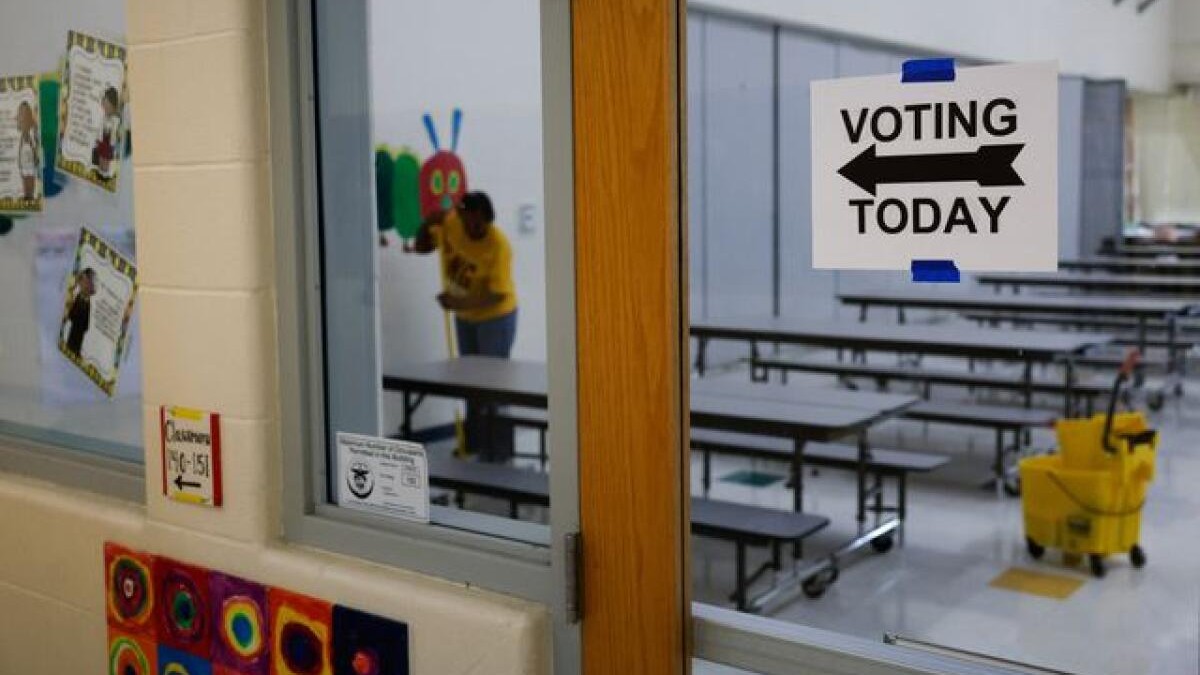
- The 2026 midterm results reflect a deliberate electorate choice for checks and balances and divided government.
- Split-ticket voting across battleground states demonstrates widespread public fatigue with performative partisan extremism.
- Incoming 120th Congress must embrace cross-aisle compromise on national debt, tax deadlines, and economic stability.
WASHINGTON — In the immediate aftermath of any national election, party strategists and cable news commentators rush to claim an ideological triumph, cherry-picking isolated precinct victories to proclaim that the American public has definitively embraced their proprietary brand of partisan orthodoxy. Yet as the certified tallies of the 2026 midterm elections settle into the historical ledger, an entirely different and far more mature portrait of the American electorate emerges. What the voters delivered on Tuesday was not a coronation of either political extremes, but rather a deliberate, sophisticated, and emphatic imposition of institutional checks and balances.
By granting Republicans an outright majority in the Senate while keeping the House of Representatives on a knife's edge and simultaneously passing progressive state ballot measures on healthcare and workers' rights, millions of American citizens engaged in thoughtful ticket-splitting. In living rooms across the Rust Belt and kitchen tables throughout the Sun Belt, voters rejected the performative grievance and apocalyptic rhetoric that have poisoned national discourse for a decade. They voted for fiscal prudence and economic stability without endorsing cultural retrenchment, and they voted for civil rights protections without embracing unchecked federal expansion.
This institutional dividedness is not an accident of geography; it is the constitutional genius of the American republic asserting itself against partisan excess. When government is divided, the machinery of legislative governance cannot function on narrow party-line reconciliation bills or unilateral executive fiats. It demands negotiation, compromise, and mutual concession. The incoming 120th Congress will face immediate, unavoidable statutory deadlines: the expiration of the 2017 tax provisions, the reauthorization of the farm bill, and essential national defense allocations. Neither party possesses the votes to impose its will without cross-aisle cooperation.
For leaders in both parties, the message from the ballot box could not be clearer. Americans are fatigued by continuous constitutional crises, government shutdown threats, and manufactured culture wars while kitchen-table expenses, housing affordability, and infrastructure maintenance languish. The true mandate of the 2026 midterms is a mandate for grown-up governance: an imperative for principled compromise that puts national stability above primary-election pandering. If Washington's elected representatives listen to the wisdom of the electorate, this divided government may yet prove to be the most productive and stabilizing chapter in our modern civic life.
Congressional testimony scheduled for later this month is expected to address cross-agency coordination, focusing specifically on supply chain resiliency, sovereign compute clusters, and long-term capital allocation strategies designed to safeguard domestic competitiveness.