Why Lame-Duck Congress Must Pass Energy Permitting Reform
An editorial analysis examining why the incoming lame-duck session of Congress presents a rare, fleeting window of opportunity to enact historic bipartisan energy permitting reform to untangle America’s infrastructure gridlock.
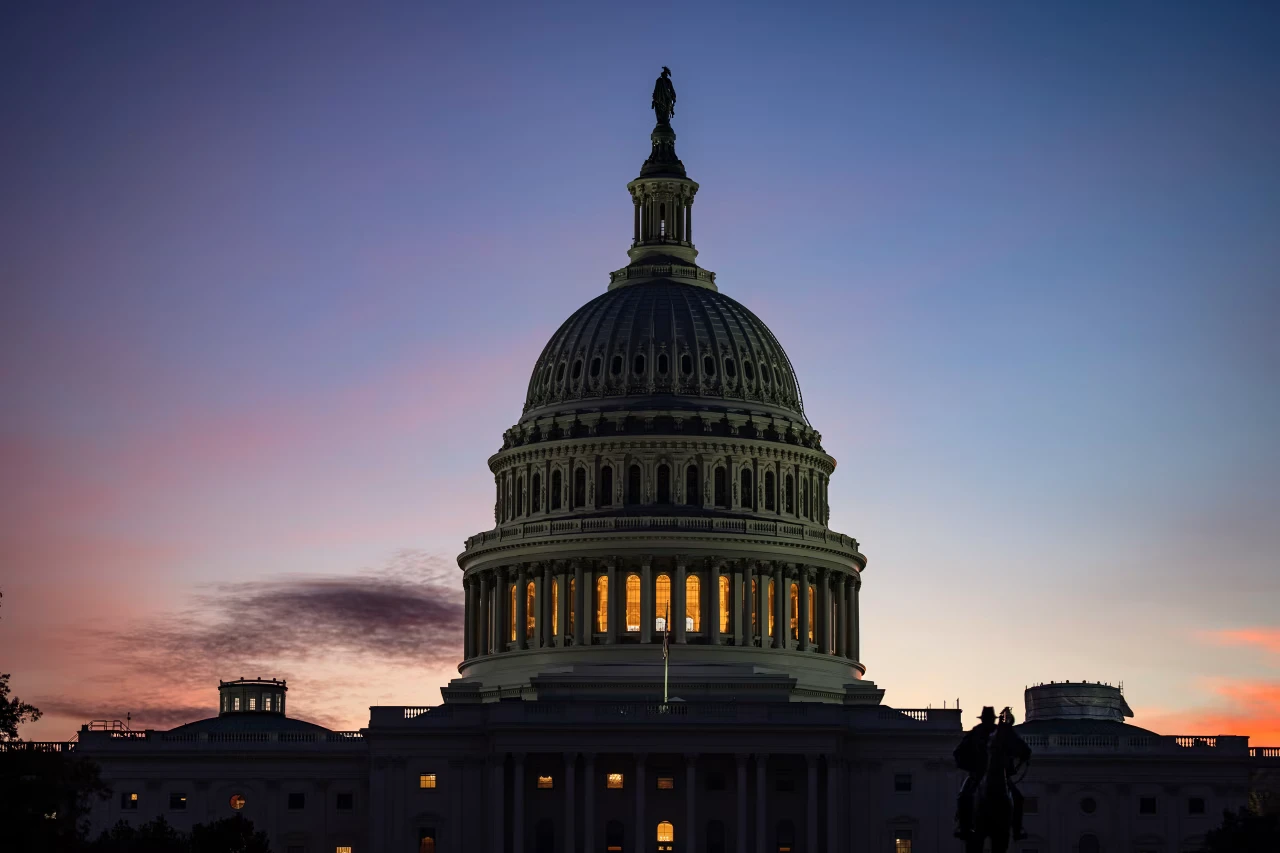
- Lame-duck congressional session offers unique window to pass bipartisan Energy Permitting Reform Act.
- Bureaucratic permitting delays of 10-12 years currently paralyze clean energy grids, nuclear, and chip hubs.
- Compromise statute sets 2-year statutory review caps while protecting vital environmental baselines.
WASHINGTON — In the turbulent aftermath of last week's midterm elections, as Washington braces for two years of deeply divided government and fierce institutional gridlock, an unexpected window of legislative opportunity has opened that the outgoing 119th Congress cannot afford to squander. When lawmakers reconvene on Capitol Hill for their post-election lame-duck session next week, they hold within their grasp the single most consequential economic and infrastructure reform of the decade: the long-delayed, bipartisan Energy Permitting Reform Act. Passing this compromise measure before the new Congress is sworn in in January is not merely a pragmatic legislative accomplishment; it is an urgent national necessity.
For years, America's energy transition, manufacturing renaissance, and technological leadership have been strangled by an archaic labyrinth of bureaucratic delays, endless environmental litigations, and multi-year federal review bottlenecks. Building high-voltage electrical transmission lines to connect Western wind farms to metropolitan centers currently takes an average of ten to twelve years, while securing federal approvals for advanced nuclear reactors, geothermal pilot plants, and semiconductor fabrication facilities routinely requires hundreds of millions of dollars in compliance studies before a single shovel enters the earth. At a time when artificial intelligence data centers, domestic manufacturing corridors, and electric vehicle adoption are driving unprecedented surges in electrical demand, America's antiquated permitting regime has become our greatest self-inflicted economic liability.
The compromise framework hammered out by a resilient coalition of moderate lawmakers from both political parties offers a balanced, commonsense path forward. It establishes strict two-year statutory deadlines for federal environmental impact statements, streamlines judicial review windows to prevent frivolous litigation delays, and grants federal regulators expanded authority to designate national-interest transmission corridors. Crucially, the legislation delivers vital victories to both ends of the political spectrum: providing expedited approvals for clean energy renewables and grid modernizations while ensuring regulatory certainty for critical domestic mineral mining and interstate energy logistics.
Critics on the ideological fringes have predictably voiced objections. Certain environmental purists argue that streamlining review timelines weakens vital community protections under the National Environmental Policy Act (NEPA), while conservative hardliners insist the package does not go far enough in deregulating fossil fuel exploration. Yet these purist objections ignore the harsh operational reality: you cannot build a clean energy economy, lower utility bills for struggling working-class families, or maintain technological dominance over global competitors if it takes over a decade to approve a single power line.
The voters who cast ballots last Tuesday delivered a clear, unvarnished message to Washington: stop the endless partisan theatrics and focus on lowering everyday living costs and delivering practical economic competence. The bipartisan permitting reform package directly fulfills that voter mandate. Lawmakers in both parties have an obligation to put institutional pride aside, resist ideological obstruction, and send this landmark legislation to the president's desk before the lame-duck gavel falls.
Congressional testimony scheduled for later this month is expected to address cross-agency coordination, focusing specifically on supply chain resiliency, sovereign compute clusters, and long-term capital allocation strategies designed to safeguard domestic competitiveness.