Why Starving New York Transit Threatens America's Economy
Refusing equitable federal funding for New York's mass transit system is short-sighted fiscal sabotage that imperils the nation's premier economic generator.
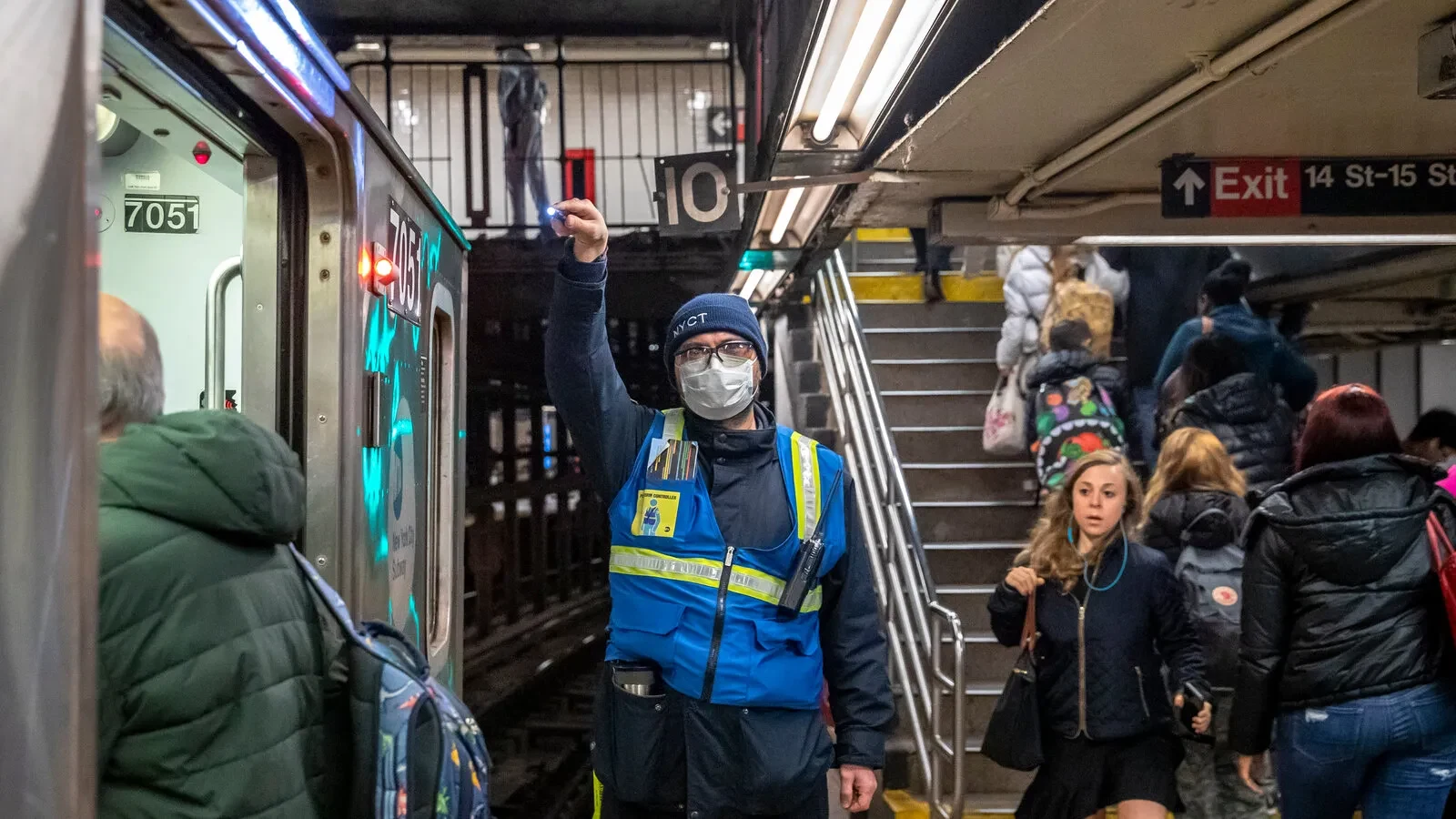
- New York metro region produces 10% of total U.S. GDP, powered daily by the MTA's 6 million transit riders.
- Federal formula sends only 17% of transit funds to NYC despite the city moving 43% of all American transit riders.
- Congressional failure to fund urban infrastructure risks national economic friction and workforce disruptions.
NEW YORK — In the cavernous halls of Capitol Hill, it has long been a favored political sport among certain lawmakers to treat New York's mass transit infrastructure as a bloated, localized indulgence rather than what it truly is: the indispensable beating heart of the United States economy. As Governor Kathy Hochul and MTA leaders arrive in Washington this week to sound the alarm on a staggering funding shortfall ahead of the December 11 federal deadline, the national conversation must move past provincial posturing and confront an undeniable economic reality: when New York's transit system is starved, the entire American economy suffers.
Consider the stark arithmetic that Washington persistently ignores. The New York metropolitan area generates roughly $2.2 trillion in annual economic output—nearly 10% of the entire gross domestic product of the United States. It houses the nation's deepest capital markets, its most prolific media institutions, world-class medical research complexes, and a vibrant cultural economy that draws tens of millions of international visitors every year. None of this wealth is possible without the Metropolitan Transportation Authority. The subway and commuter rail network moves nearly 6 million riders each weekday, taking millions of vehicles off choked highways and enabling a density of human talent and productivity unmatched anywhere in the Western Hemisphere.
Yet federal transit policy treats this national asset with incomprehensible neglect. Under antiquated statutory formula allocations, New York provides roughly 43% of all public transit trips nationwide but receives a meager 17% of federal transit assistance. Meanwhile, sprawling highway construction programs in low-density states enjoy nearly automatic 80% federal matching funds with little scrutiny over economic return on investment. Compounding this disparity, the prospect of federal tariffs adding $1 billion to train car and bus procurements threatens to bring capital repairs to a grinding halt.
The consequences of federal inaction are not abstract. When track signals fail, when subway cars age past their operational lifespans without replacement, and when maintenance backlogs mount, the friction cost cascades across the global financial system. A twenty-minute subway delay on the Lexington Avenue line ripples into trading desks, corporate boardrooms, hospital operating theaters, and supply chain hubs. If the MTA is forced into deep service cuts or aggressive fare spikes to plug its capital gaps, middle-class workforce mobility will decline, corporate relocations will accelerate, and the federal tax revenue generated by New York's economic engine will contract far beyond the modest billions requested in emergency transit appropriations.
Investing in mass transit is not an act of charity to New York; it is sound national industrial policy. It stabilizes the largest consumer market in North America, advances aggressive climate and energy efficiency goals, and maintains the infrastructural spine of our premier global financial capital. Congress must abandon the petty fiction that urban transit is an isolated regional burden. It is time for Washington to fund the New York subway system with the dignity, urgency, and parity that America's economic lifeline demands.
Congressional testimony scheduled for later this month is expected to address cross-agency coordination, focusing specifically on supply chain resiliency, sovereign compute clusters, and long-term capital allocation strategies designed to safeguard domestic competitiveness.