DOJ Prosecutor Overseeing Trump Foes Probe Abruptly Resigns
The federal prosecutor leading the Justice Department's controversial investigation into political adversaries of Donald Trump has abruptly resigned under intense pressure following midterm election fallout.
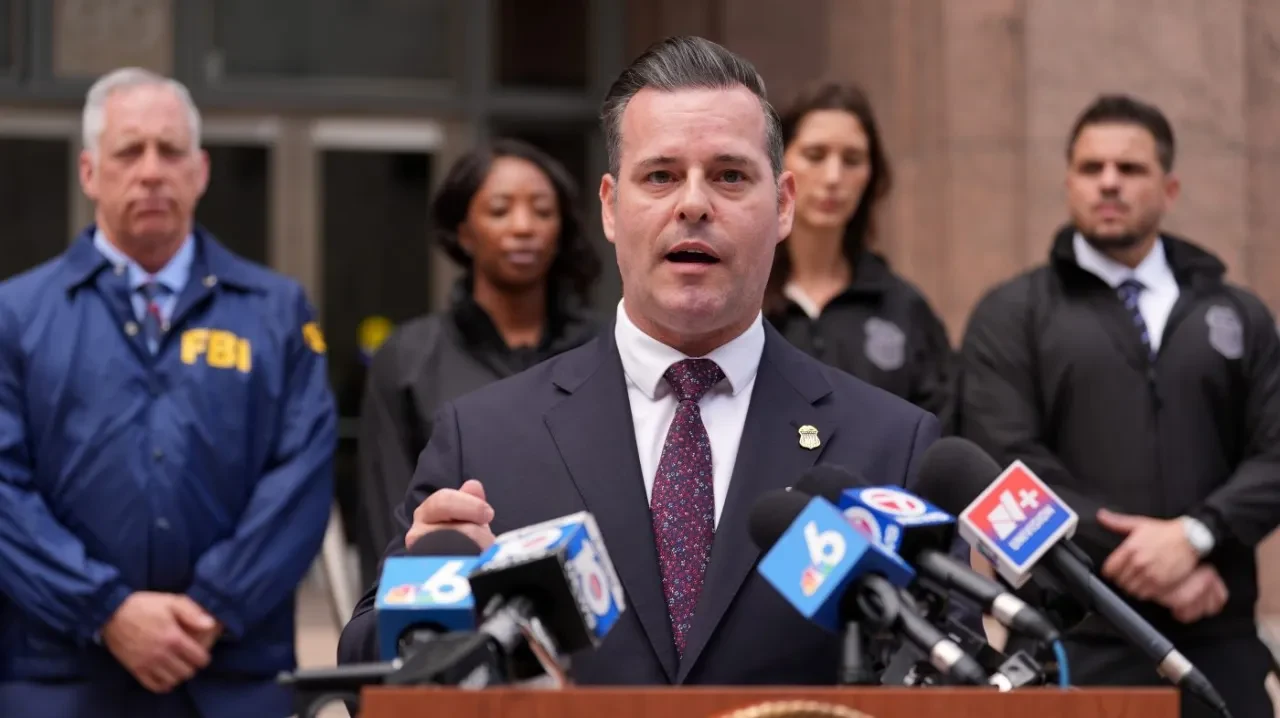
- U.S. Attorney Jason Reding Quiñones abruptly resigns after refusing White House pressure to indict political foes.
- Follows high-profile exits of National Security head John Eisenberg and Civil Rights chief Harmeet Dhillon.
- Incoming Democratic committee leadership vows emergency subpoenas into executive prosecutorial coercion.
MIAMI & WASHINGTON — In a dramatic escalation of the institutional crisis engulfing the United States Department of Justice in the wake of midterm election results, Jason Reding Quiñones, the United States Attorney for the Southern District of Florida who was handpicked to oversee a sprawling federal inquiry into political adversaries of President Donald Trump, abruptly resigned his post late Wednesday evening. The sudden departure of the chief prosecutor directing what internal department officials colloquially termed the "grand conspiracy" inquiry delivers a paralyzing blow to the administration's contentious efforts to prosecute former intelligence and national security officials from the Obama and Biden administrations.
Quiñones' resignation comes amidst severe internal revolt, mounting ethical complaints, and a cascade of high-level departures across the Justice Department over the past seventy-two hours. As reported earlier this week, the head of the National Security Division, John Eisenberg, and the assistant attorney general for civil rights, Harmeet Dhillon, both submitted sudden resignations following bitter disputes with White House counsels over the weaponization of federal law enforcement machinery against political rivals and incoming Democratic committee chairs.
According to internal Justice Department memoranda and interviews with six senior career prosecutors speaking on the condition of strict anonymity, Quiñones faced intense, sustained pressure from White House legal intermediaries to return grand jury indictments against high-profile political figures prior to the January seating of the incoming 120th Congress. However, career prosecutors in the Miami and Washington offices reportedly warned supervisory leadership that the evidentiary materials compiled over eighteen months of investigative grand jury sessions failed to meet minimum federal standards for statutory criminal charges, cautioning that pursuing indictments based on declassified intelligence disputes would trigger swift judicial dismissals and professional sanctions.
The acute friction reached a breaking point Wednesday afternoon during a contentious video conference between Quiñones, Attorney General Todd Blanche, and senior White House counsels. Sources familiar with the exchange confirmed that Quiñones refused to authorize draft indictments targeting former FBI and CIA officials, citing statutory Speech or Debate Clause immunities and Department of Justice guidelines prohibiting politically motivated prosecutions. Hours later, Quiñones submitted a terse two-paragraph resignation letter to the White House, vacating his office effective immediately.
Democratic lawmakers preparing to assume committee gavels in the House and Senate reacted with fury to the revelations, characterizing the forced resignation as unmistakable evidence of unlawful executive interference in the administration of justice. Incoming House Judiciary Committee ranking members pledged to issue sweeping subpoenas for all internal communications between White House personnel and Quiñones' prosecution team, warning that attempting to coerce federal prosecutors into fabricating criminal cases against political opponents constitutes an impeachable abuse of executive power.
Legal ethics watchdogs and former federal judges underscored that the implosion of the Miami inquiry marks a pivotal institutional stress test for the American legal system. As career federal prosecutors across multiple jurisdictions resist improper political directives, the abrupt departure of Quiñones signals that the constitutional firewall shielding the Department of Justice from partisan retribution continues to hold, even under the most relentless executive pressure in modern political history.
Congressional testimony scheduled for later this month is expected to address cross-agency coordination, focusing specifically on supply chain resiliency, sovereign compute clusters, and long-term capital allocation strategies designed to safeguard domestic competitiveness.