Democrats and GOP Clash Over Defense Bill on Veterans Day
Bipartisan tensions boiled over Tuesday as lawmakers clashed on Veterans Day over the annual National Defense Authorization Act, deadlocked over military pay, VA benefits, and executive war powers.
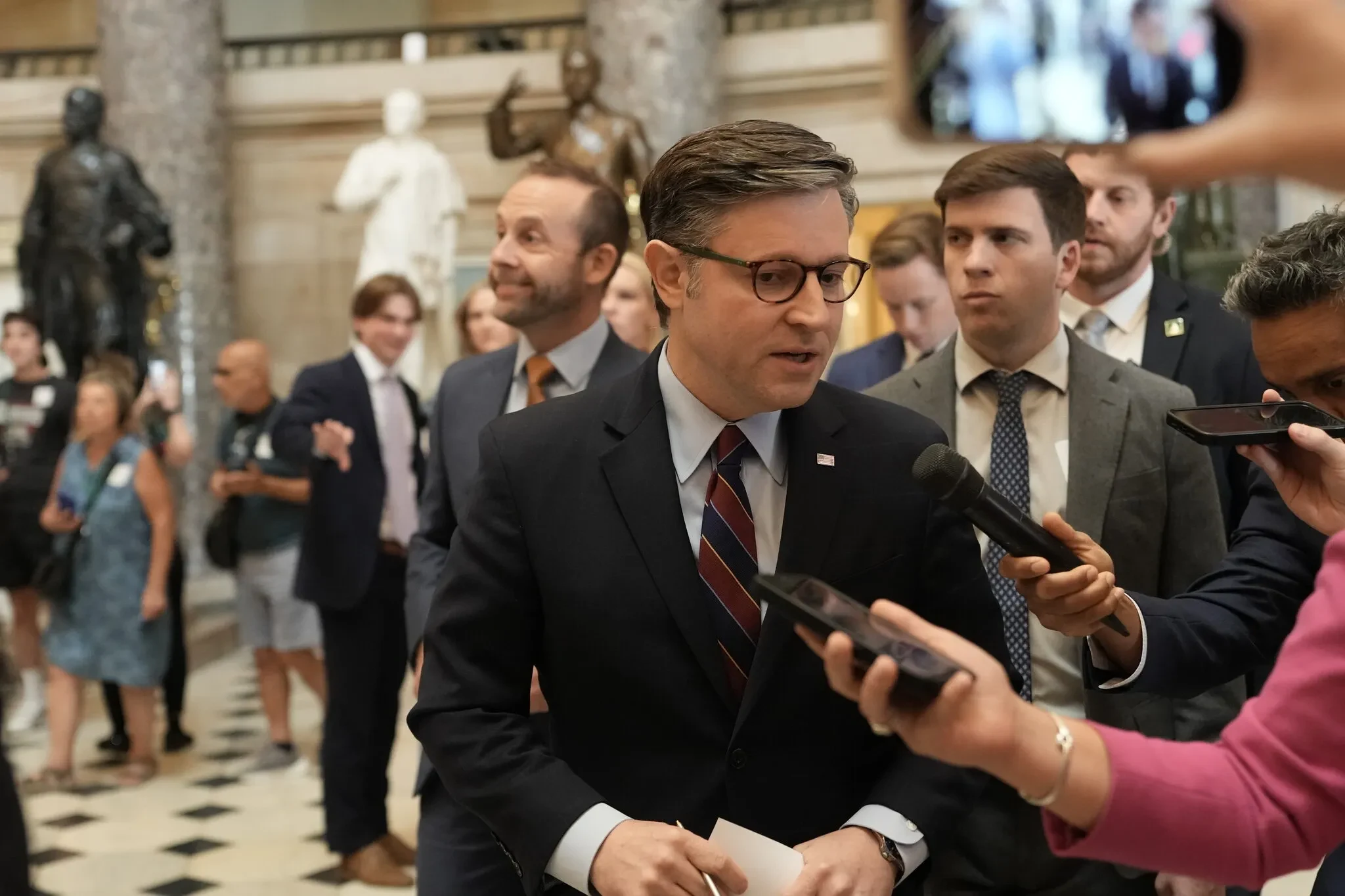
- House and Senate negotiators face a contentious stalemate over the $895 billion National Defense Authorization Act.
- Disagreements center on expanding Veterans Affairs healthcare funding, junior enlisted pay bumps, and statutory War Powers constraints.
- Democratic leaders warn against partisan riders while GOP committee chairs insist on strict fiscal caps for non-defense spending.
WASHINGTON — Even as solemn ceremonies commemorating Veterans Day took place across Arlington National Cemetery and military installations worldwide on Tuesday, an acrimonious fiscal and ideological standoff escalated on Capitol Hill over the annual National Defense Authorization Act. Congressional leaders and senior armed services committee negotiators traded sharp recriminations over an $895 billion defense policy package that has ground to a sudden halt, caught between competing demands over service member compensation, toxic exposure healthcare expansions, and strict new legislative constraints on unilateral executive war powers.
The acute impasse comes during a fraught post-election lame-duck window where both parties are recalibrating their legislative leverage. House Armed Services Committee Chairman Mike Rogers and Republican leaders have insisted on maintaining statutory spending caps established under previous fiscal agreements, arguing that non-defense domestic spending riders proposed by Senate Democrats threaten to bloat military authorization bills with unrelated administrative programs. House Republicans have specifically pushed to preserve a landmark 19.5% pay raise for junior enlisted personnel while trimming funding allocations earmarked for civilian advisory councils, climate resilience initiatives at coastal naval bases, and Pentagon diversity programs.
Senate Armed Services Committee Chairman Jack Reed and senior Democratic conferees mounted an aggressive counteroffensive on Tuesday morning, staging an impromptu press briefing steps from the Senate floor. Democrats asserted that Republican budget blueprints would severely underfund the Department of Veterans Affairs, particularly the landmark Promise to Address Comprehensive Toxics (PACT) Act fund, which provides guaranteed medical coverage to hundreds of thousands of veterans exposed to burn pits and airborne hazards during deployments in Iraq and Afghanistan. Reed accused House conservatives of using service members as political pawns in broader partisan budget gamesmanship, warning that failure to pass the NDAA before statutory December deadlines would disrupt vital military logistics, delay housing stipends, and jeopardize critical defense supply chains.
The negotiations have been further complicated by intense debate over congressional war powers following recent United States Central Command kinetic strikes against maritime drone facilities in the Persian Gulf. A bipartisan faction of progressive Democrats and libertarian-leaning Republicans has demanded that the final conference report incorporate binding statutory language requiring the White House to obtain explicit congressional authorization before committing American forces to extended combat operations or naval blockades in the Middle East. White House national security aides and Pentagon leadership have strongly resisted such amendments, cautioning that statutory restrictions on commander-in-chief authorities would paralyze rapid-response capabilities against hostile regional proxy networks.
Rank-and-file veterans organizations, including the American Legion and the Veterans of Foreign Wars, issued urgent joint statements on Tuesday afternoon calling on congressional leadership to set aside election-cycle rancor and fulfill their core constitutional responsibilities. Veteran advocates emphasized that the military pay bump and VA funding streams represent earned benefits that transcend partisan divisions, pointing out that military families continue to confront stubborn inflationary pressures on groceries, off-base housing rentals, and specialized pediatric healthcare.
With only a handful of legislative working days remaining before the Thanksgiving congressional recess, House Speaker Mike Johnson and Senate Majority Leader Chuck Schumer are reportedly engaged in direct backchannel discussions to broker an eleventh-hour compromise framework. Staff negotiators worked late into Tuesday evening drafting alternative conference text that could decouple the urgent troop pay raises from more contentious policy riders, but senior aides acknowledged that passing the nation's premier defense measure will require delicate bicameral diplomacy in an increasingly fractured political environment.
Congressional testimony scheduled for later this month is expected to address cross-agency coordination, focusing specifically on supply chain resiliency, sovereign compute clusters, and long-term capital allocation strategies designed to safeguard domestic competitiveness.