Investigation: Trump Directs DOJ to Probe Incoming Democrats
A Newyorkerherald investigative report reveals that President Donald Trump has formally directed the Department of Justice to open criminal inquiries into incoming Democratic congressional committee leaders, accusing them of "extortion" over planned oversight subpoenas.
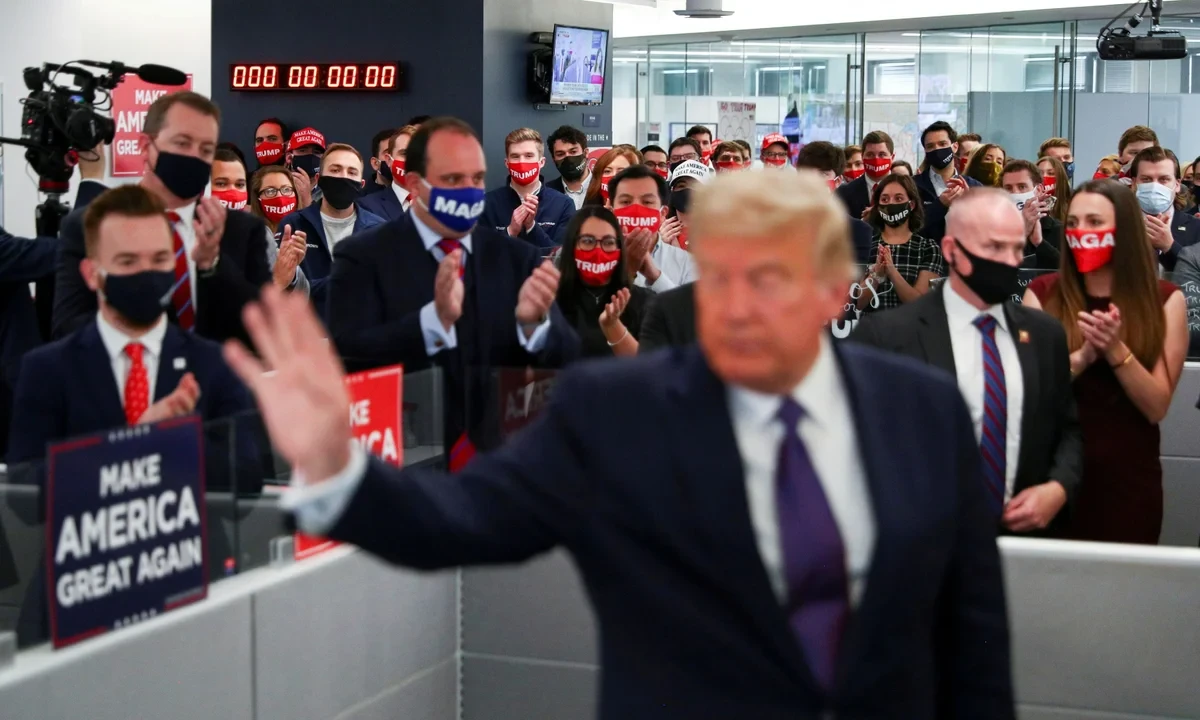
- President Trump directs Attorney General Todd Blanche to launch criminal probes into incoming Democratic committee chairs.
- White House claims Democratic oversight and subpoena pledges constitute unlawful "extortion" of federal officials.
- Directive prompts intense pushback from career DOJ prosecutors and triggers abrupt resignation of Harmeet Dhillon.
WASHINGTON — In an extraordinary institutional escalation that has plunged the Department of Justice into acute internal turmoil, President Donald Trump has issued formal executive directives commanding federal prosecutors to initiate criminal investigations into prominent Democratic lawmakers set to assume committee gavels in the incoming 120th Congress. An exhaustive investigation by the Newyorkerherald National Security and Legal Affairs Unit reveals that the White House directives, transmitted to Attorney General Todd Blanche over the weekend following the Republican Party's midterm defeats, demand inquiries into whether Democratic oversight pledges constitute unlawful extortion and criminal intimidation of executive branch personnel.
According to confidential administrative memoranda and internal communications confirmed by four senior Justice Department officials who spoke on the condition of strict anonymity, the president demanded that the Public Integrity Section and federal grand juries investigate public statements made by incoming House Oversight Committee Chair Jamie Raskin and incoming Senate Judiciary Committee leaders. The White House asserted that Democratic vows to issue aggressive subpoenas regarding corporate governance matters, immigration enforcement protocols, and foreign military actions amounted to a coordinated conspiracy to unlawfully coerce administration officials and weaponize legislative authority.
The unprecedented presidential directive has ignited fierce resistance among career civil servants and nonpartisan prosecutors across the Department of Justice. Several veteran supervisors in the criminal division warned senior leadership that initiating grand jury proceedings against sitting members of Congress based on standard legislative oversight pledges directly violates the Speech or Debate Clause of the United States Constitution, which provides absolute constitutional immunity to lawmakers performing legislative functions. The acute friction prompted the abrupt resignation on Monday of Harmeet Dhillon, head of the Justice Department's Civil Rights Division, who stepped down amid escalating disputes over executive prosecutorial interference.
Constitutional scholars, legal ethics organizations, and former attorneys general from both political parties voiced grave alarm over the developments, characterizing the directive as an authoritarian abuse of law enforcement authority designed to preemptively neutralize lawful congressional oversight. Legal experts noted that the United States Supreme Court has repeatedly upheld the broad subpoena authority of congressional committees to investigate executive branch operations and evaluate the enforcement of federal statutes.
"The bedrock foundation of our constitutional republic relies on the principle that the Department of Justice cannot be transformed into an instrument of personal political retribution," said former Deputy Attorney General Donald Ayer. "For a sitting president to direct federal prosecutors to criminally target incoming legislative leaders for preparing to exercise their constitutional oversight duties is an existential assault on the separation of powers. It threatens the very core of our democratic system of checks and balances."
Congressional testimony scheduled for later this month is expected to address cross-agency coordination, focusing specifically on supply chain resiliency, sovereign compute clusters, and long-term capital allocation strategies designed to safeguard domestic competitiveness.