Treasury Chief Scott Bessent Moved to Military Base Over Threats
United States Treasury Secretary Scott Bessent has been relocated from his private residence to a secure military installation following credible intelligence warnings regarding Iranian retaliation threats.
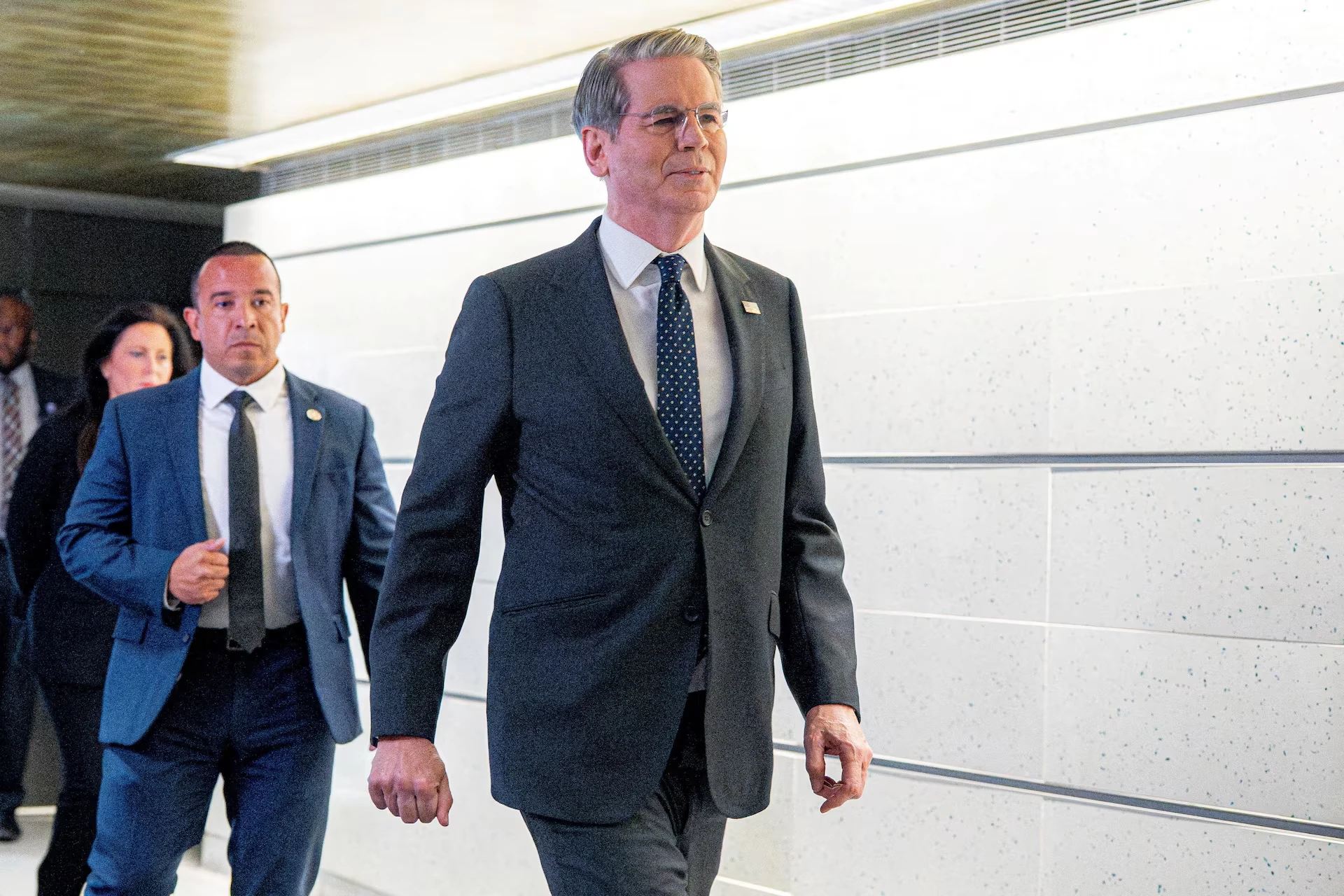
- Treasury Secretary Scott Bessent moved to military installation following credible IRGC-linked intelligence threats.
- Bessent joins Secretary of State Marco Rubio and Stephen Miller under fortified military protective housing.
- Threat follows massive OFAC sanctions freezing $12B in Iranian maritime oil shipping and financial networks.
WASHINGTON — In an extraordinary national security intervention underscoring escalating geopolitical hostilities in the Middle East, United States Treasury Secretary Scott Bessent was relocated late Wednesday from his private residence in metropolitan Washington to a heavily fortified military installation. High-level administration officials and federal law enforcement personnel confirmed Thursday morning that the sudden relocation was mandated by the United States Secret Service and the Department of Defense after American intelligence agencies intercepted credible, actionable intelligence detailing Iranian-directed surveillance and assassination conspiracies targeting the economic architect of the administration's aggressive maximum-pressure sanctions apparatus.
Bessent, a veteran Wall Street macro investor who assumed the helm of the Treasury Department earlier this year, becomes the third senior cabinet-level official to be evacuated from conventional residential living into military-administered housing. Secretary of State Marco Rubio and White House Deputy Chief of Staff Stephen Miller were previously transferred to secure quarters at Joint Base Anacostia-Bolling and surrounding military commands following intercepted communications from operatives affiliated with the Islamic Revolutionary Guard Corps (IRGC) and foreign criminal syndicates operating on sovereign American territory.
According to senior national security aides speaking on condition of anonymity to discuss sensitive protective intelligence, the threats against Bessent intensified dramatically following last week's sweeping executive actions, in which the Treasury Department's Office of Foreign Assets Control (OFAC) designated an extensive network of twenty-four international front companies, offshore shipping conglomerates, and secondary banking intermediaries that processed illicit Iranian petroleum sales through maritime hubs in the Persian Gulf and Southeast Asia. The sanctions effectively froze an estimated $12 billion in foreign liquidity lines, dealing a severe financial blow to Tehran's regional proxy funding networks.
"The United States government maintains zero tolerance for foreign state attempts to intimidate, harass, or endanger cabinet officials carrying out lawful constitutional responsibilities," White House National Security Council spokesman John Kirby said during a special press briefing Thursday. "Protective postures for senior leadership are continuously evaluated by our counterterrorism agencies based on real-time threat intelligence. While we do not comment on specific tactical security details, the American public should rest assured that every necessary military and federal resource is mobilized to ensure the absolute safety and continuity of executive government operations."
The unprecedented sight of senior civilian cabinet chiefs operating from guarded military bastions has ignited intense debate across Capitol Hill. Democratic leaders on the Senate Foreign Relations and Armed Services Committees expressed grave concern over the safety of American public servants while demanding comprehensive closed-door intelligence briefings regarding the scope of foreign intelligence penetration within the continental United States. Meanwhile, leading Republican lawmakers called for retaliatory measures, urging the administration to expand naval interdictions and cyber-deterrence strikes against IRGC operational infrastructure.
Federal counterintelligence investigators noted that the elevated threat environment follows the recent unsealing of federal indictments in the Southern District of New York charging foreign operatives with orchestrating assassination plots against American soil targets. As Secret Service tactical units and military police establish expanded perimeter checkpoints around Bessent's operational headquarters, the Treasury chief continues to direct federal debt auctions, international currency stabilization talks, and bilateral trade enforcement from secure military communications facilities, demonstrating that Washington's economic policy apparatus remains fully engaged despite severe external threats.
Congressional testimony scheduled for later this month is expected to address cross-agency coordination, focusing specifically on supply chain resiliency, sovereign compute clusters, and long-term capital allocation strategies designed to safeguard domestic competitiveness.