New York Expands $180M Clean-Heat and Urban Geothermal Energy Subsidies for Pre-War Neighborhoods
Governor Kathy Hochul and state energy officials have authorized an expanded $180 million capital initiative to accelerate urban district geothermal networks and clean heating retrofits across older multi-family apartment communities.
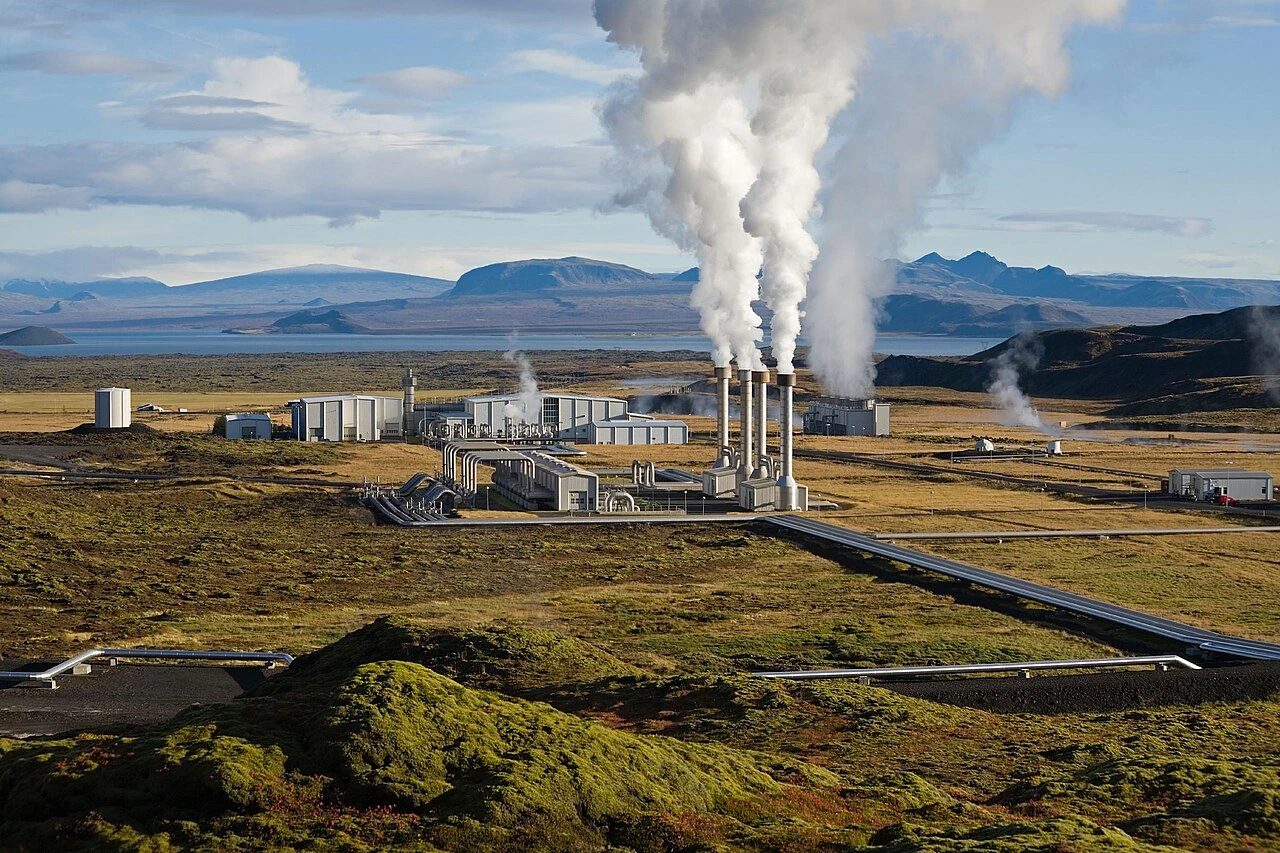
- NYSERDA authorizes $180 million in expanded clean heat subsidies for historic urban multi-family buildings.
- District geothermal pilot networks tap ambient underground temperatures to eliminate fossil fuel boiler plants.
- 40 percent of capital funds dedicated to disadvantaged communities under Climate Leadership Act mandates.
- Program designed to help building owners comply with New York City Local Law 97 carbon emissions limits.
ALBANY & NEW YORK — In a major acceleration of New York’s statutory climate transition, Governor Kathy Hochul and the New York State Energy Research and Development Authority (NYSERDA) announced on Wednesday an expanded $180 million clean-energy capital package aimed at retrofitting older urban residential buildings with advanced heat pumps and neighborhood-scale geothermal energy networks.
The initiative represents one of the most technologically ambitious thermal decarbonization investments in the United States, targeting the complex engineering challenges inherent in modernizing New York City’s vast stock of pre-war brick multi-family apartment complexes. Under statutory mandates established by the state’s Climate Leadership and Community Protection Act (CLCPA) and New York City’s Local Law 97, commercial and residential properties face escalating financial penalties unless they substantially curtail on-site fossil fuel emissions over the coming decade.
At the core of the new funding framework is the expansion of Thermal Energy Networks (TENs)—subterranean utility loops that circulate water through closed-loop borehole fields drilled deep beneath city streets, alleys, and courtyards. By drawing upon the earth’s constant 55-degree Fahrenheit ambient subterranean temperature, the district systems allow centralized heat pumps to extract heat during harsh winter freezes and dissipate excess warmth during summer heatwaves, consuming up to 70 percent less electrical grid power than conventional air-source heat pumps.
"The journey toward a clean energy future cannot leave our historic urban neighborhoods behind," declared Governor Hochul during an announcement at an active geothermal pilot installation in Brooklyn. "By expanding state subsidies for clean heat and district geothermal technology, we are helping building owners transition away from dirty heating oil and fossil gas, cutting hazardous airborne emissions in densely populated communities, and lowering energy utility burdens for thousands of hardworking families."
The program places a mandatory statutory focus on environmental justice. Forty percent of the total $180 million capital allocation is strictly reserved for projects situated within designated disadvantaged communities across the South Bronx, central Brooklyn, eastern Queens, and upstate metropolitan centers like Buffalo and Syracuse. Public health researchers have long linked reliance on aging No. 4 and No. 2 heating oil boilers to disproportionately high pediatric asthma hospitalizations and respiratory illnesses in these neighborhoods, making thermal electrification a critical public health priority as well as a climate mitigation strategy.
Engineering experts from Columbia University's Climate School praised the state's district-scale approach, noting that dense urban topography makes individual building electrification extraordinarily difficult without shared thermal infrastructure. By connecting residential blocks, public schools, and community centers to common thermal transfer loops, the state can optimize energy balancing—channeling excess waste heat generated by commercial refrigeration or subway ventilation into residential heating circuits.
State utility regulators from the Public Service Commission (PSC) will oversee private-public partnerships with regional energy providers Con Edison and National Grid, establishing standard consumer tariff structures that ensure converted tenants do not face spikes in monthly heating expenses. As test drilling rigs begin boring hundreds of feet into bedrock beneath New York's boroughs, the initiative offers an engineering blueprint for how older industrial metropolitan centers worldwide can decarbonize their built environments while safeguarding public health and grid stability.
Congressional testimony scheduled for later this month is expected to address cross-agency coordination, focusing specifically on supply chain resiliency, sovereign compute clusters, and long-term capital allocation strategies designed to safeguard domestic competitiveness.