White House Orders Agencies to Curb Congressional Testimony
White House Counsel Will Scharf issued a directive requiring federal agency heads to obtain executive sign-off before testifying before congressional committees, escalating tensions with lawmakers.
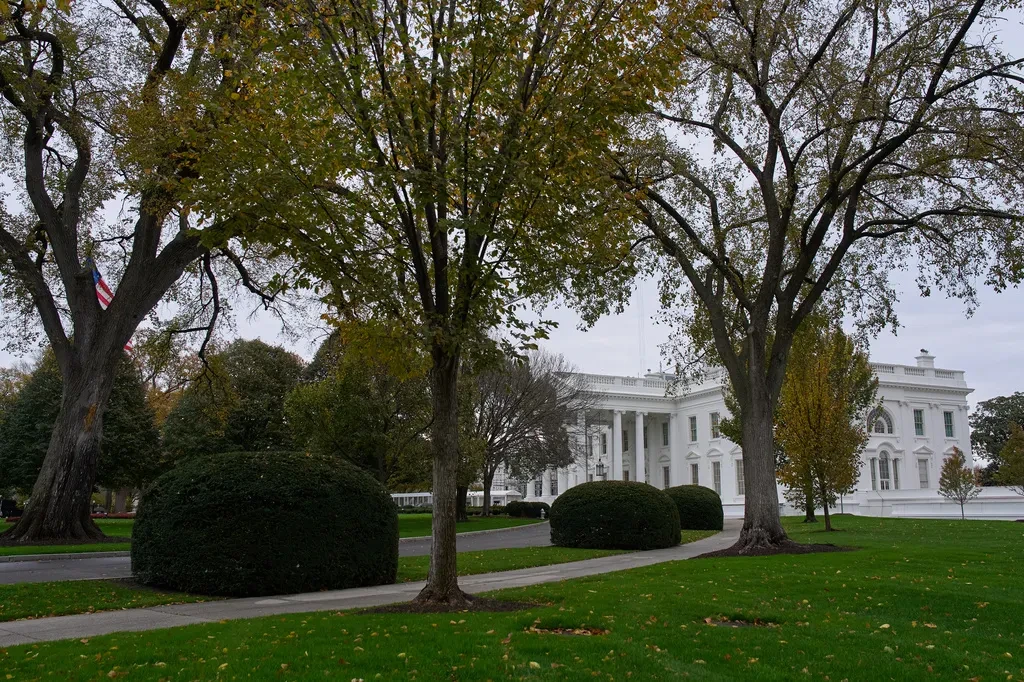
- White House Counsel memo orders all federal agencies to seek clearance before appearing before Congress.
- Directive frames oversight hearings as politically motivated in the wake of midterm election results.
- Incoming committee chairs accuse administration of unprecedented executive overreach and subpoena evasion.
WASHINGTON — In a bold assertion of executive authority that sets the stage for an explosive constitutional showdown, White House Counsel Will Scharf issued a sweeping directive Monday ordering all federal agency leadership and cabinet personnel to obtain formal clearance from White House legal and legislative affairs teams before agreeing to testify before any congressional oversight committee. The directive, circulated across executive branch departments just days after the 2026 midterm elections reshaped Capitol Hill, establishes a centralized vetting protocol designed to restrict unauthorized staff appearances and manage official testimony across all federal regulatory bodies.
According to internal administrative memoranda reviewed by congressional oversight aides, the directive instructs cabinet secretaries, agency directors, and senior civil servants to treat unsolicited committee invitations with heightened legal scrutiny. The administration justified the centralized gatekeeping policy as an essential safeguard against what it characterized as coordinated partisan harassment and unauthorized fishing expeditions directed at executive branch officials following contentious midterm campaigns. Under the newly established protocol, any subpoena, informal interview request, or public hearing invitation must be submitted directly to the White House Counsel's office for formal constitutional review prior to any responsive coordination with legislative staff.
"The executive branch maintains an inherent constitutional responsibility to protect the deliberative integrity of federal operations from politically motivated, baseless inquiries," Scharf wrote in the memorandum. "No department head or career official shall coordinate public appearances, submit unreviewed documentation, or commit agency personnel to legislative hearings without prior institutional authorization and guidance from the Executive Office of the President."
The directive elicited immediate fury from congressional leaders in both political parties, who denounced the mandate as an unconstitutional assault on Article I legislative oversight. Incoming committee chairs preparing for the 120th Congress warned that any systematic obstruction of witness testimony or document production would be met with aggressive compulsory process, including contempt citations, expedited federal court enforcement, and retaliatory budgetary riders on executive discretionary spending.
"Congressional oversight is not a polite executive privilege that the White House may grant or withhold at its convenience; it is the constitutional cornerstone of American democratic accountability," said a joint statement released by senior members of the House Committee on Oversight and Government Reform and the Senate Judiciary Committee. "Attempting to impose an executive gag order across tens of thousands of federal public servants is a brazen attempt to shield administrative conduct from taxpayer scrutiny. Congress will utilize every constitutional tool at its disposal to guarantee that federal officials answer to the American people."
Legal scholars and constitutional historians noted that while previous administrations of both parties have periodically asserted executive privilege over specific high-level national security or Oval Office deliberations, an omnibus pre-clearance requirement covering all routine regulatory testimony represents a dramatic escalation in institutional friction. With federal budget deadlines looming and multiple high-stakes confirmations pending in the Senate, the directive guarantees that the final weeks of the lame-duck session will be defined by fierce legal battles over executive immunity, separation of powers, and the limits of presidential authority.
Congressional testimony scheduled for later this month is expected to address cross-agency coordination, focusing specifically on supply chain resiliency, sovereign compute clusters, and long-term capital allocation strategies designed to safeguard domestic competitiveness.