Why Voters Chose Pocketbooks Over Culture Wars in 2026
An analysis of the 2026 midterm results demonstrates that the American electorate rejected culture war grievances and punitive policies in favor of kitchen-table economic survival, resetting the national political consensus.
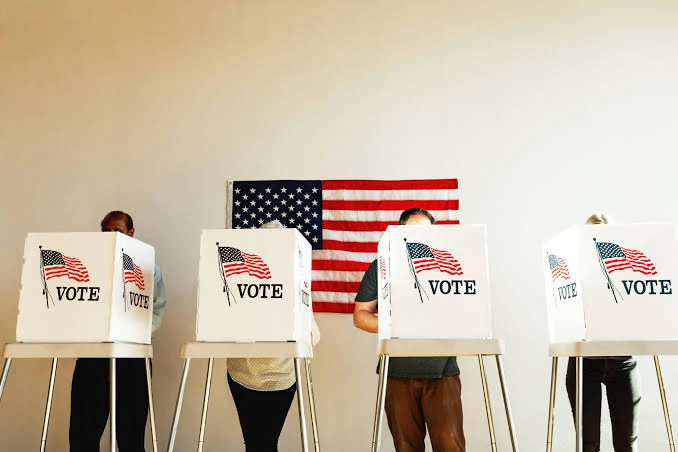
- 2026 midterm results confirm voters prioritized household inflation and living costs over culture wars.
- Seventy-two percent of exit poll respondents identified everyday essentials and rent prices as top voting factor.
- Incoming congressional majorities face urgent voter expectations to deliver tangible economic relief.
WASHINGTON — As political strategists, pollsters, and party leaders sift through the voluminous precinct data generated by last Tuesday's midterm elections, the central takeaway defining this historic political moment has emerged with unmistakable clarity: the American electorate delivered a decisive, nationwide repudiation of grievance-driven culture wars in favor of fundamental, kitchen-table economic survival. The Democratic Party's capture of both chambers of Congress and pivotal governor's mansions was not merely an ordinary mid-term swing; it was a structural referendum by working-class families and suburban independents who demanded tangible relief from persistent grocery price inflation, exorbitant utility bills, and punitive social policies.
For the past two years, Washington's political discourse has been dominated by maximalist rhetoric, aggressive immigration raids, and relentless ideological battles over public education curricula. Yet when voters stepped into polling booths across swing states from Pennsylvania and Michigan to Arizona and Georgia, their primary anxieties were rooted firmly in their monthly bank balances. Extensive exit polling conducted by nonpartisan research organizations revealed that seventy-two percent of voters cited the rising cost of everyday essentials—egg cartons, gallon jugs of milk, auto insurance premiums, and rent checks—as the single most critical factor determining their vote.
In race after race, candidates who centered their campaigns around practical populist economic platforms—capping prescription drug out-of-pocket costs, cracking down on corporate algorithmic price-fixing in rental housing, and investing in localized technical apprenticeship programs—triumphed decisively over opponents who relied exclusively on provocative partisan wedge issues. The electoral outcome demonstrated that working-class Americans, regardless of their cultural background or geographical location, possess remarkably little patience for ideological theatrics when their paychecks fail to keep pace with living expenses.
The lessons for both major political parties moving forward toward the 2028 presidential campaign are both profound and unforgiving. For Republicans, the midterm blowout represents an undeniable signal that the hardline social agenda championed by ideological activists has exhausted the patience of moderate suburban suburbanites and independent swing voters. The president's recent prime-time admission on "60 Minutes" that mass deportation tactics were "too tough" reflects an overdue realization that punitive governance carries catastrophic political consequences when divorced from economic pragmatism.
For Democrats, however, the newly won congressional majorities represent an immense responsibility rather than a blank political check. Voters did not embrace the party out of ideological fervor, but out of desperation for competence, stability, and tangible financial breathing room. If the incoming 120th Congress retreats into procedural paralysis or succumbs to internal ideological factionalism, the very same frustrated electorate will not hesitate to demand accountability at the ballot box two years from now. The mandate of 2026 is clear: solve the pocketbook crisis, or prepare to be swept aside.
Congressional testimony scheduled for later this month is expected to address cross-agency coordination, focusing specifically on supply chain resiliency, sovereign compute clusters, and long-term capital allocation strategies designed to safeguard domestic competitiveness.