Trump Admits Deportation Policy Was Too Tough on 60 Minutes
In a dramatic CBS News "60 Minutes" interview on Sunday following Republican midterm losses, President Donald Trump conceded that his administration’s mass deportation operations were "too tough" and signaled unexpected willingness to negotiate an immigration compromise with newly elected congressional Democrats.
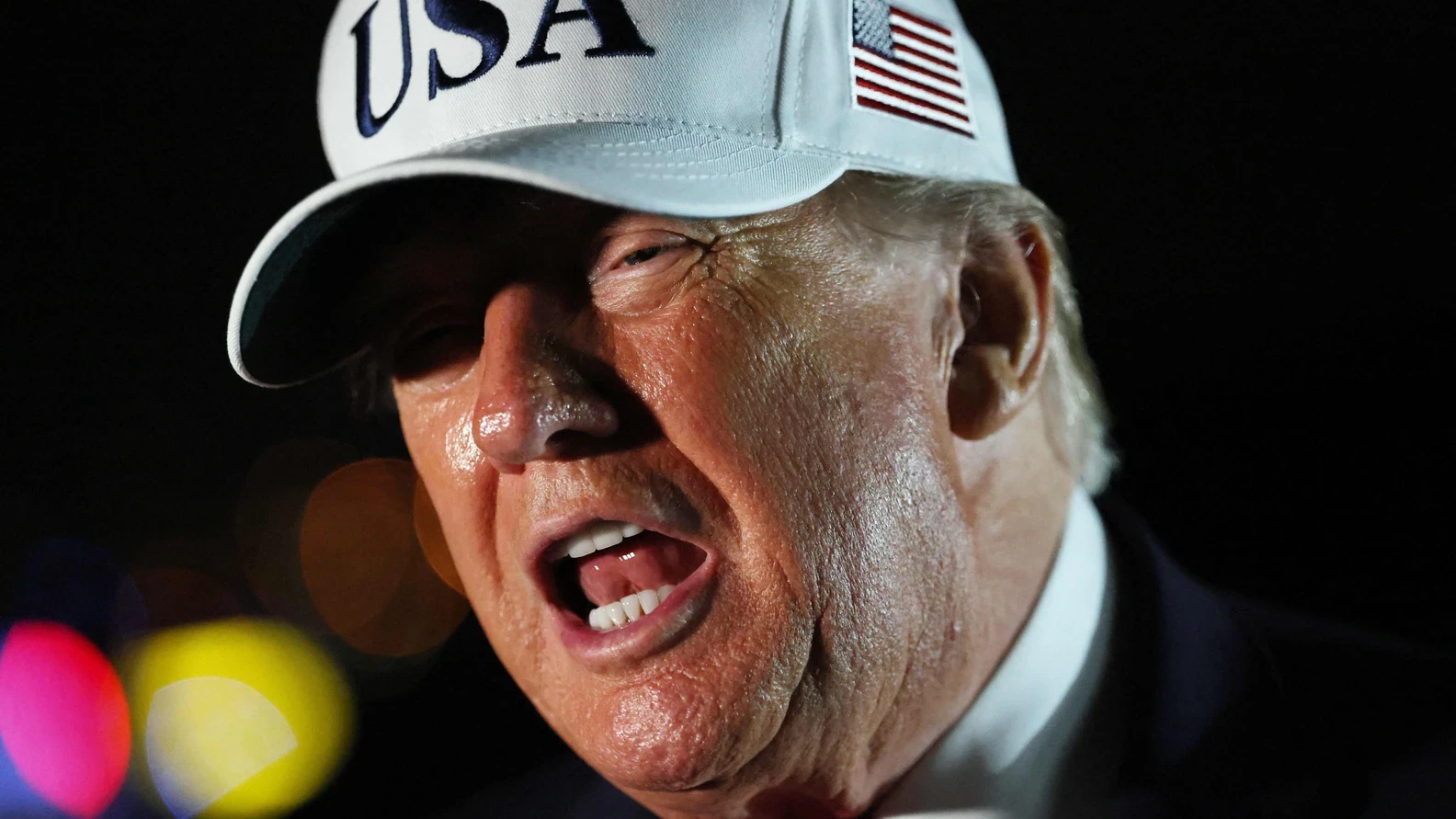
- President Trump tells 60 Minutes that enforcement operations and mass deportations were "too tough."
- Signals unexpected willingness to negotiate bipartisan immigration protections with Democratic leaders.
- Remarks spark immediate tension between conservative hardliners and moderate swing-district lawmakers.
WASHINGTON — In a striking rhetorical recalibration broadcast nationwide on Sunday evening, President Donald Donald Trump conceded during an interview on CBS News' "60 Minutes" that his administration's aggressive enforcement policies and mass deportation operations may have gone too far, alienating swing voters and contributing significantly to the Republican Party's sweeping congressional defeats in last Tuesday's midterm elections. The extraordinary prime-time admission marks the first major public acknowledgment by the White House that the hardline immigration playbook championed by senior administration aides has generated severe political liability across key suburban districts and independent voting blocs.
Speaking with CBS correspondent Scott Pelley from the Oval Office, the president struck an uncharacteristically reflective tone when pressed on exit polling data that showed overwhelming voter dissatisfaction with workplace immigration raids and high-profile detention enforcement actions. "Looking back at the past eighteen months, some of the procedures we instituted—maybe they were too tough, maybe people perceived them as overly harsh," Trump remarked during the sixty-minute broadcast. "The American public wants order and secure borders, absolutely, but they also want fairness and compassion. We saw that message very clearly at the ballot box on Tuesday, and we have to be smart enough to listen to what the voters are saying."
The president's remarks reverberated instantly across Capitol Hill, where incoming Democratic majorities in both the Senate and the House of Representatives are already formulating legislative frameworks for comprehensive immigration reform and legal status adjustments for long-term undocumented residents. When asked directly whether he would be open to signing a bipartisan compromise that pairs border security funding with legal protections and work authorizations for undocumented immigrants without criminal records, Trump broke sharply with his traditional hardline stance, signaling an openness to direct negotiations with Democratic congressional leaders.
"If the Democrats want to come to the White House and put together a real deal—one that secures the ports of entry while giving good, hardworking people who have lived here peacefully for decades a clear and legal status—I am ready to sit down and make that deal," Trump said. "We cannot continue in a state of perpetual national division. We have to fix this system once and for all."
The public pivot has ignited immediate and fierce debate within conservative political circles and immigration policy institutes. Several staunch immigration hardliners in the House Freedom Caucus issued sharp statements Sunday night urging the president not to abandon the core enforcement mandates that defined his second administration, warning that any legislative concession to Democrats would fracture the conservative coalition. Conversely, moderate Republican lawmakers from competitive swing districts in New York, California, and Texas welcomed the president's openness to compromise, arguing that pragmatic immigration reform is vital if the party hopes to rebuild its standing with moderate suburban families ahead of the 2028 presidential campaign.
Congressional testimony scheduled for later this month is expected to address cross-agency coordination, focusing specifically on supply chain resiliency, sovereign compute clusters, and long-term capital allocation strategies designed to safeguard domestic competitiveness.