NYC Orders Emergency Inspection Sweeps Across 160 Construction Sites Following Fatal Flatbush Collapse
Following a catastrophic structural collapse at a Brooklyn residential site that claimed two lives, the Department of Buildings has mobilized emergency inspection squads across more than 160 active excavation projects as city leaders prepare strict new contractor accountability mandates.
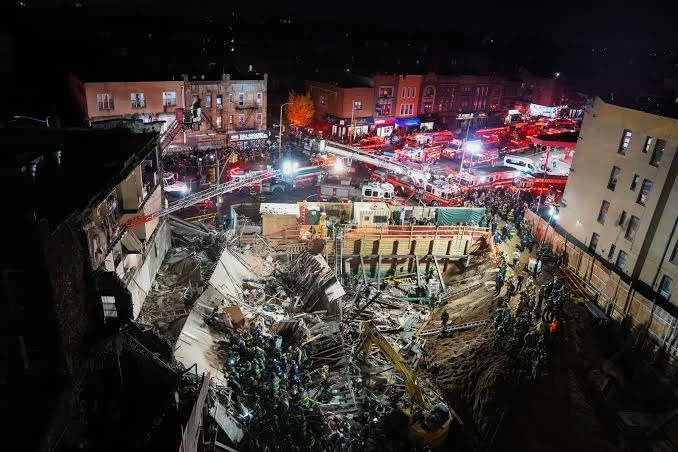
- Department of Buildings deploys 40 specialized engineering inspection teams across five boroughs.
- Emergency stop-work orders issued to 23 high-risk residential excavation and underpinning operations.
- City Council schedules emergency hearing to review contractor licensing and criminal negligence referrals.
- Families of victims file multimillion-dollar wrongful-death actions in Kings County Supreme Court.
NEW YORK — In the wake of a catastrophic multi-story building collapse in Flatbush, Brooklyn, that killed two construction workers and displaced dozens of neighborhood residents, New York City officials have launched an aggressive, emergency regulatory sweep across more than 160 active excavation and foundation work sites spanning all five boroughs.
The coordinated crackdown, announced early Wednesday by the Department of Buildings (DOB) and the Mayor's Office of Public Safety, represents one of the most sweeping emergency interventions in the city's construction sector in recent memory. Specialized forensic engineers and senior inspectors have been deployed to review structural underpinning, geotechnical soil retaining walls, and adjacent foundation protections at deep-trench construction projects, focusing on private residential developments where unpermitted modifications have historically posed severe structural risks.
Within the first forty-eight hours of the blitz, inspectors had already issued twenty-three full stop-work orders and sixty-four environmental control summonses. The rapid enforcement follows forensic disclosures indicating that the Flatbush property—a six-story residential development on Church Avenue—had suffered severe foundational subsidence when crews excavated several feet below the permitted footing depth without installing the required lateral shoring steel. The resulting ground collapse compromised the load-bearing masonry wall of an adjacent occupied four-story brownstone, sending hundreds of tons of debris cascading into the subterranean work zone.
"Every single worker who steps onto a New York City job site has an absolute right to return home safely to their family at the end of their shift, and every tenant living next door deserves the assurance that their home will not collapse beneath them," declared Department of Buildings Commissioner James Oddo during a solemn press briefing at City Hall. "We are sending a transparent and uncompromising message to unscrupulous general contractors and negligent developers: if you cut corners on structural underpinning, if you bypass engineering permits, or if you treat safety guidelines as optional suggestions, we will shut your project down immediately and pursue every available civil and criminal penalty under the administrative code."
The tragedy has quickly ignited fierce political fallout in Albany and at City Hall. The New York City Council’s Committee on Housing and Buildings announced it will convene an emergency oversight hearing next week, subpoenaing senior executives from the development group, sub-tier masonry subcontractors, and private third-party site safety managers. Council members across Brooklyn and Queens are preparing legislative packages that would mandate continuous automated seismic vibration monitors along property lines of deep-foundation projects, dramatically raise the minimum liability insurance required for excavation licenses, and create a centralized public registry of contractors penalized for severe code breaches.
Meanwhile, legal actions are accelerating rapidly. Attorneys representing the families of the two deceased workers, as well as displaced tenants who lost their homes and personal belongings, filed comprehensive wrongful-death and negligence lawsuits in Kings County Supreme Court on Tuesday afternoon. The complaints accuse the general contractor of egregious misconduct, alleging that work continued unabated for days after neighboring tenants reported widening structural cracks and shifting door frames. As investigators from the Brooklyn District Attorney's office and the federal Occupational Safety and Health Administration (OSHA) comb through soil core samples, daily safety logs, and digital architectural plans, the tragedy has cast an urgent spotlight on the municipal balancing act between accelerating desperately needed housing construction and enforcing rigorous structural safety standards across New York's historic neighborhoods.
Congressional testimony scheduled for later this month is expected to address cross-agency coordination, focusing specifically on supply chain resiliency, sovereign compute clusters, and long-term capital allocation strategies designed to safeguard domestic competitiveness.