NYC City Council Passes Landmark Commercial Rent Stabilization Bill to Shield Independent Small Businesses
Following months of contentious hearings and aggressive pushback from commercial real estate lobbies, the New York City Council voted overwhelmingly on Thursday to enact first-in-the-nation commercial rent protections for neighborhood storefronts, capping lease escalations at 3.5% annually.
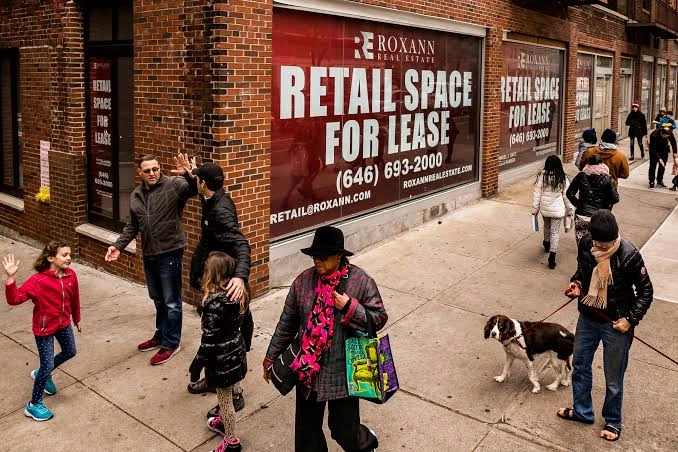
- Council approves 38-11 measure establishing a Commercial Rent Guidelines Board for retail spaces under 10,000 square feet.
- Annual lease renewal escalations capped at 3.5% or CPI plus 1%, protecting bodegas, pharmacies, and neighborhood restaurants.
- Real Estate Board of New York (REBNY) prepares state constitutional court challenge alleging property rights infringement.
In an unprecedented legislative triumph for neighborhood merchants after more than three decades of gridlock, the New York City Council passed a sweeping commercial rent stabilization measure on Thursday afternoon by an overwhelming 38-11 veto-proof supermajority. The legislation, formally titled the Neighborhood Commercial Preservation and Storefront Stability Act, creates a municipal Commercial Rent Guidelines Board tasked with setting annual lease escalation ceilings for independent, ground-floor commercial storefronts measuring 10,000 square feet or less across the five boroughs.
The landmark vote inside City Hall followed hours of emotional testimony from generational business owners, civic advocates, and real estate representatives. Under the provisions of the newly approved statute, annual renewal rent increases for covered commercial tenants will be capped at a maximum of 3.5 percent or the regional Consumer Price Index plus one percentage point, whichever is lower. The bill also establishes standard lease terms of seven to ten years with guaranteed rights of renewal for commercial tenants in good standing, outlawing predatory rent doubling that has hollowed out retail corridors from Sunset Park in Brooklyn to Washington Heights in upper Manhattan.
"For thirty-five years, New York's mom-and-pop entrepreneurs, bodega owners, local pharmacists, dry cleaners, and family-owned restaurants have lived under the sword of Damocles, watching landlords demand sixty, eighty, or even two hundred percent rent spikes overnight simply to force them out for bank branches or private equity chains," declared City Council Speaker Adrienne Adams during a post-vote briefing on the City Hall steps. "Today, this Council has declared that New York City's economic and cultural soul cannot be sold off to the highest corporate bidder. When our neighborhood storefronts thrive, working-class communities thrive."
The economic impetus behind the legislation has grown acute over the past three years. According to exhaustive municipal retail vacancy data compiled by the City Council’s economic development committee, roughly 12.8 percent of ground-floor commercial storefronts across the five boroughs remain vacant, with speculative commercial vacancies lingering for an average of 22 months. Despite high vacancy rates, commercial asking rents have continued to climb, driven by institutional real estate debt structures that penalize landlords for lowering nominal rent rolls even while storefronts sit empty with papered-over windows.
The measure faced relentless opposition from the Real Estate Board of New York (REBNY) and major institutional landlords, who mounted a multimillion-dollar advertising blitz against the bill in the weeks leading up to the final vote. REBNY leadership argued that commercial rent caps violate the New York State Constitution, exceed municipal regulatory authority, and will ultimately depress commercial property values, leading to diminished municipal real estate tax collections that fund public schools and transit infrastructure.
"By imposing artificial price controls onto a highly complex, dynamic commercial market, the Council is setting into motion severe unintended consequences that will discourage capital investment, degrade commercial building maintenance, and prompt protracted legal warfare," said James Whelan, President of REBNY, in a statement released immediately following the vote. "We intend to vigorously challenge the constitutional validity of this municipal preemption in state Supreme Court on behalf of property owners whose contractual liberties have been abrogated."
The newly established Commercial Rent Guidelines Board will mirror the structural framework of the city’s residential Rent Guidelines Board, comprising nine mayoral appointees representing commercial tenants, commercial property owners, and independent economists. The board will conduct annual economic research into commercial landlord operating costs, municipal property taxes, utility overhead, and retail sales trends before voting on allowable renewal adjustments each spring.
To shield legitimate neighborhood enterprises while excluding corporate retail conglomerates, the law includes stringent eligibility thresholds. Only businesses that operate fewer than four locations citywide, employ under 50 staff members, and occupy under 10,000 square feet of commercial space qualify for the statutory renewal protections. Publicly traded retail chains, multinational fast-food franchises, and corporate banking institutions are explicitly barred from the caps.
In Queens, where neighborhood merchant associations rallied outside Borough Hall in Kew Gardens, the mood was celebratory. "This vote means my family's bakery, which my grandfather opened in Jackson Heights forty-two years ago, can sign a ten-year lease without fearing that our next renewal will put us on the street," said Manuel Ortiz, president of the Queens Independent Merchants Coalition. "It is the difference between survival and extinction for thousands of immigrant families who built this city with their bare hands."
The measure now heads to the desk of Mayor Eric Adams, who has expressed reservations regarding administrative enforcement and tax assessments but faces an insurmountable legislative veto override if he chooses not to sign. Initial board appointments are scheduled for completion by February 2027, with the first statutory guidelines slated to take effect on July 1, 2027.
Congressional testimony scheduled for later this month is expected to address cross-agency coordination, focusing specifically on supply chain resiliency, sovereign compute clusters, and long-term capital allocation strategies designed to safeguard domestic competitiveness.