Mayor Mamdani Unveils Comprehensive $146M Blueprint to Formally Close Rikers Island by 2032
Marking the most significant municipal realignment of New York City's criminal legal system in a generation, City Hall and Mayor Zohran Mamdani announced an updated, legally binding roadmap to completely shut down the notorious Rikers Island jail complex by the end of 2032, pairing borough-based facility construction with $146 million in dedicated diversion programs.
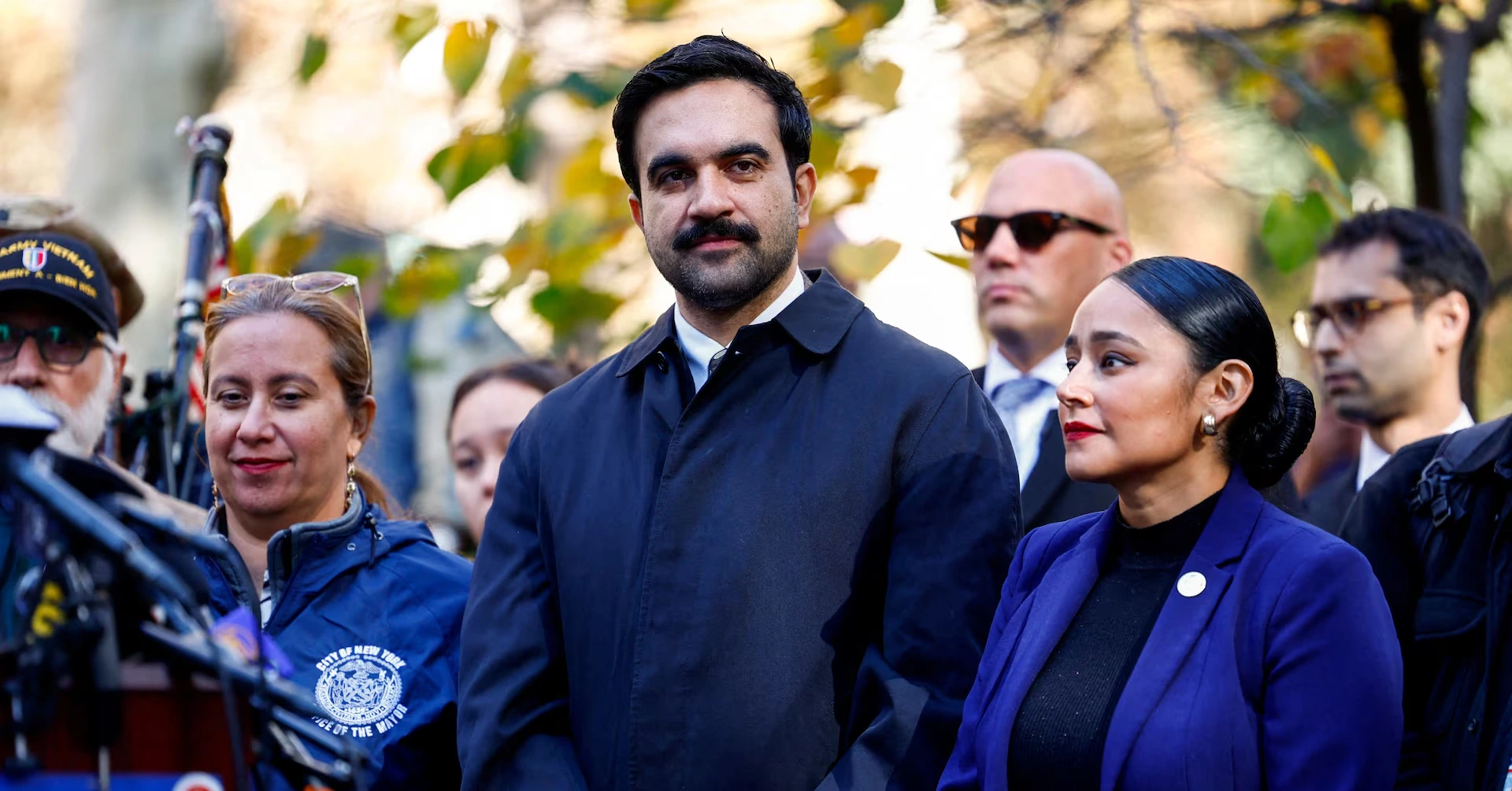
- City Hall formally sets end-of-2032 target for the complete decommissioning and demolition of all detention facilities on Rikers Island.
- Borough-based jail facility schedule establishes phased openings: Brooklyn in 2029, Bronx and Queens in 2031, followed by Manhattan.
- $146 million in upfront municipal funding deployed to expand specialized mental health diversion beds, supportive housing, and pretrial legal navigators.
NEW YORK — In what administration officials termed an unavoidable confrontation with operational reality and a renewed moral imperative, Mayor Zohran Mamdani and City Hall leadership formally unveiled a comprehensive 120-page master blueprint on Monday detailing the timeline, financing, and infrastructure milestones required to permanently shut down the Rikers Island jail complex by December 31, 2032.
The announcement represents the first formal recalibration of the city's decennial decarceration strategy since the statutory August 2027 deadline established by the City Council in 2019 fell severely behind schedule due to post-pandemic construction backlogs, soaring municipal building costs, and persistent staffing instability within the Department of Correction. While criminal justice advocates expressed measured frustration over the five-year extension, municipal leaders emphasized that the new plan establishes the most enforceable, transparent, and funded path toward shuttering the 413-acre penal island in the East River.
Central to the 2032 roadmap is an immediate $146 million municipal capital infusion aimed at reducing the city's daily pretrial detainee population from its current plateau of approximately 6,300 to fewer than 4,000 within the next four years. City Hall's strategy hinges on an unprecedented expansion of community-based mental health diversion networks, rapid-response supervised release protocols, and 850 newly contracted supportive housing units designed to intercept individuals trapped in cyclical misdemeanor arraignments.
"For decades, Rikers Island has stood not as an instrument of rehabilitation, but as a monument to municipal failure, human degradation, and unconscionable violence," Mayor Mamdani declared during a morning press briefing in the City Hall Blue Room, flanked by district attorneys, public defenders, and formerly incarcerated community leaders. "To pretend that the previous 2027 timeline was still physically achievable without plunging our neighborhoods into dangerous chaos was an exercise in civic denial. What we present today is not an excuse for delay—it is an ironclad, fully budgeted commitment to shutter every cell, raze every decrepit intake pen, and return that island to the people of New York as a hub of renewable green energy."
Under the revised construction schedule formulated with the Department of Design and Construction (DDC), the city's network of four modern, borough-based correctional facilities will open in distinct phases. The state-of-the-art Brooklyn facility in Boerum Hill will be the first to reach completion in late 2029, accommodating up to 1,040 individuals with dedicated medical and behavioral health floors. Complementary facilities in Mott Haven in the Bronx and Kew Gardens in Queens are scheduled to open their doors in the spring and autumn of 2031, respectively, followed by the complete reconstruction of the Manhattan detention complex on White Street.
Corrections unions responded with cautious pragmatism, demanding that the city immediately fulfill contractual pledges regarding officer safety, modern ventilation standards, and competitive retention allowances during the transitional operating years. Benny Boscio, president of the Correction Officers' Benevolent Association, noted that while the union supports modernizing obsolete physical plants, frontline staff cannot be treated as an afterthought while the city navigates a multi-year population transition.
Independent fiscal watchdogs, including the New York City Independent Budget Office (IBO), noted that while the overall capital budget for the borough-based jail plan has climbed from an initial estimate of $8.7 billion to nearly $14.2 billion due to inflationary pressures, the long-term operational savings of closing the isolated island facility—which currently consumes more than $500,000 per incarcerated person annually in logistical overhead and emergency ferry transit—will eventually yield substantial municipal dividends.
As City Council leadership prepares for oversight hearings next month, public debate is already shifting toward the long-term future of Rikers Island itself. City planners reaffirmed that once the final cell blocks are emptied in 2032, jurisdiction over the island will formally transfer to the Department of Citywide Administrative Services, paving the way for the envisioned Renewable Rikers initiative—a sweeping infrastructure project slated to house municipal solar arrays, large-scale battery storage facilities, and advanced wastewater treatment plants that could decommission polluting peaker power stations across the South Bronx and Western Queens.
Congressional testimony scheduled for later this month is expected to address cross-agency coordination, focusing specifically on supply chain resiliency, sovereign compute clusters, and long-term capital allocation strategies designed to safeguard domestic competitiveness.