Historic Ballot Measures Triumph: Seven States Pass Landmark Constitutional Amendments on Healthcare Access, Clean Water, and Workers' Rights
Voters across seven battleground and coastal states approved historic constitutional ballot initiatives on Tuesday, enacting constitutional guarantees for reproductive healthcare, emergency medical network funding, clean water infrastructure bonds, and mandatory paid medical leave.
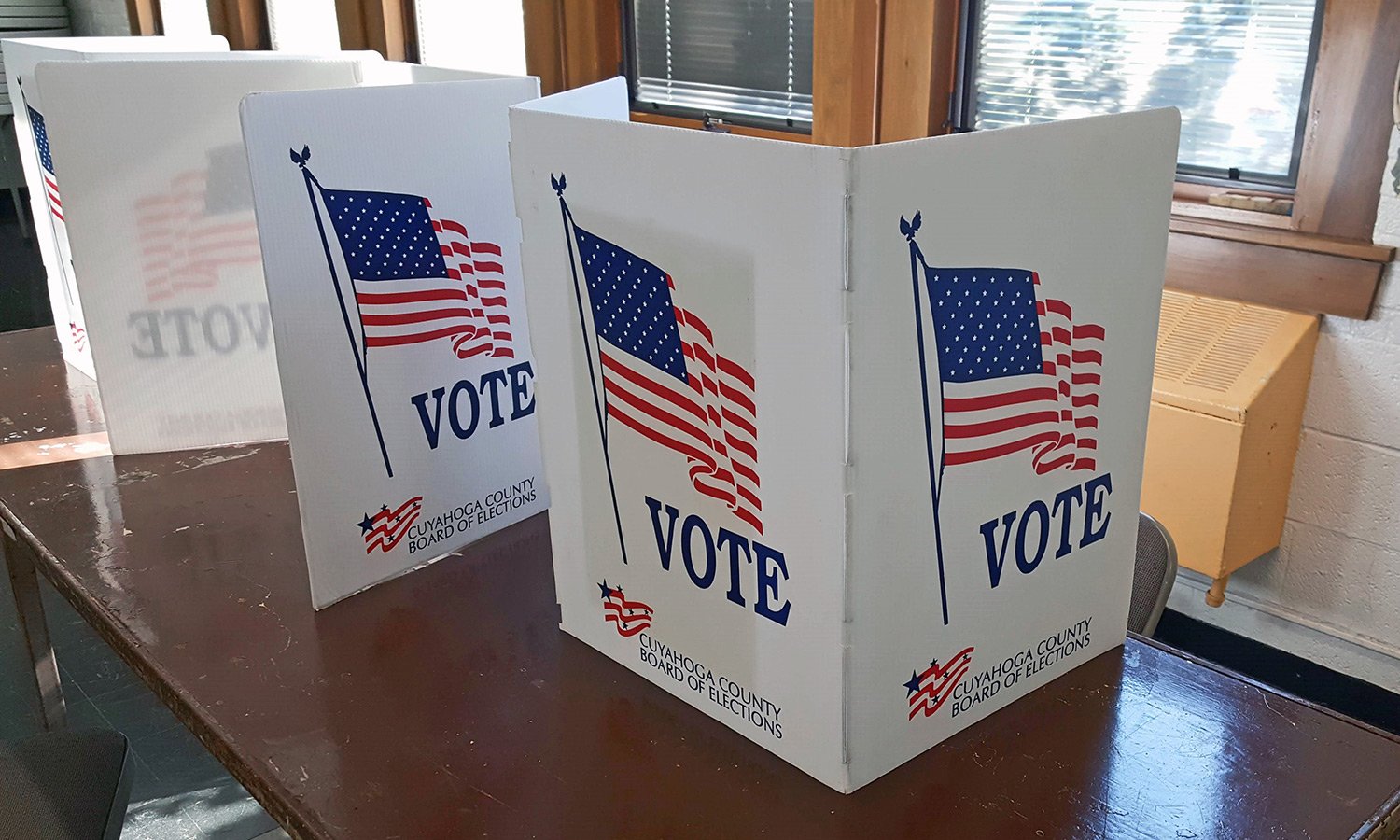
- California voters approve Proposition 40, establishing a 1% billionaire surcharge to direct $4.8B annually to strained emergency trauma networks.
- Michigan and Ohio enshrine landmark constitutional protections for paid sick leave and reproductive healthcare access.
- Direct democracy measures outperform partisan party candidates, illustrating strong cross-ideological support for public health and water infrastructure.
SACRAMENTO & LANSING — While the partisan tug-of-war for federal congressional dominance captivated national television broadcasts on Election Day, an equally transformative revolution took place at the state level through citizen-initiated direct democracy. Across seven diverse states spanning the Pacific Coast, the industrial Midwest, and the Desert Southwest, voters delivered resounding, bipartisan victories for major constitutional ballot initiatives, enshrining legal protections for healthcare access, funding emergency medical safety nets, approving billions for clean water infrastructure, and establishing mandatory paid family leave.
In California, voters decisively approved Proposition 40—the landmark Healthcare Resilience and Emergency Trauma Act—by an impressive 58 to 42 percent margin. The constitutional amendment establishes a targeted one-percent state surcharge on individual annual taxable income exceeding five million dollars, creating an insulated, dedicated trust fund projected to inject four point eight billion dollars annually directly into strained trauma centers, rural emergency departments, and non-profit hospital intensive care units. Despite fierce opposition campaigns funded by high-net-worth real estate and venture capital consortiums, widespread public concern over hospital emergency room wait times and rural medical clinic closures propelled the measure to victory across both urban coastal counties and traditionally conservative Central Valley districts.
Meanwhile, in Michigan and Ohio, voters approved comprehensive constitutional measures expanding guaranteed paid medical leave and reproductive autonomy. Michigan's Proposal 3 established a constitutional requirement ensuring that all full-time and part-time workers earn up to fifty-six hours of annual paid sick leave, while creating a state-administered reinsurance pool to subsidize compliance expenses for small businesses with fewer than twenty-five employees. The measure passed with sixty-two percent approval, drawing overwhelming support from working-class suburban voters who simultaneously split their ballots across party lines in contested congressional races.
In Arizona and Colorado, landmark conservation measures secured sweeping voter endorsements. Colorado voters approved Proposition 132, authorizing a three-billion-dollar green bond facility dedicated exclusively to rehabilitating aging municipal drinking water pipelines, restoring high-altitude watershed reservoirs, and protecting Colorado River basin tributaries from municipal depletion. In Arizona, voters soundly rejected a state legislative attempt to curtail citizen initiative access, demonstrating an enduring public commitment to preserving ballot initiative mechanisms against administrative restrictions.
Political scientists and direct democracy scholars from the University of California Berkeley emphasized that Tuesday's ballot initiative outcomes reveal a profound philosophical divergence between top-line party tribalism and underlying issue consensus. Even in states where conservative candidates swept statewide offices, ballot measures safeguarding public health funding, clean water access, and workplace protections outperformed party nominees by ten to fifteen percentage points. As state legislatures prepare to convene for their 2027 legislative sessions, the successful passage of these constitutional mandates establishes binding statutory requirements that cannot be weakened or vetoed by state executives, cementing a permanent shift in state social policy.
Congressional testimony scheduled for later this month is expected to address cross-agency coordination, focusing specifically on supply chain resiliency, sovereign compute clusters, and long-term capital allocation strategies designed to safeguard domestic competitiveness.