The L.A. Mayoral Upset: Why Urban Voters Rejected Karen Bass
The stunning defeat of incumbent Los Angeles Mayor Karen Bass by progressive challenger Nithya Raman marks a seismic political earthquake, delivering a warning to establishment municipal leaders across America on homelessness, housing affordability, and governance.
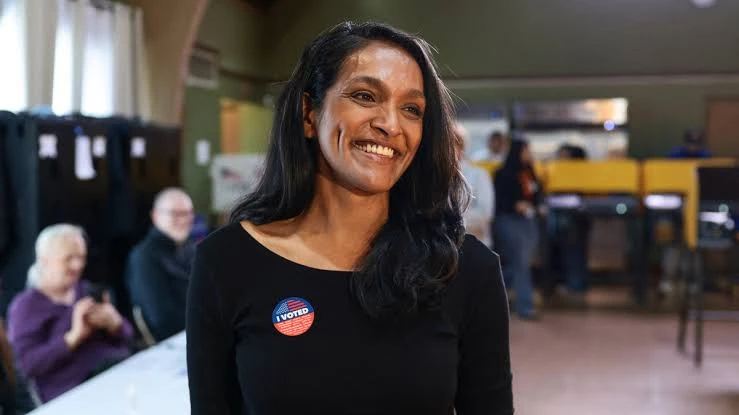
- Nithya Raman unseats incumbent Karen Bass to become the first South Asian mayor in Los Angeles history.
- Voters reject municipal incrementalism amid persistent street homelessness and skyrocketing rent burdens.
- L.A. upset signals growing nationwide urban voter revolt against establishment municipal machines.
LOS ANGELES — For decades, the conventional wisdom of big-city municipal politics in America held that establishment incumbents blessed with universal name recognition, deep institutional backing from public-sector labor unions, and multi-million-dollar campaign war chests were virtually unassailable. Yet on Tuesday, the voters of the nation's second-largest metropolis shattered that orthodoxy in dramatic fashion. By electing city councilwoman and urban planner Nithya Raman as the first South Asian mayor in Los Angeles history, Angelenos sent a shockwave through the Democratic political establishment that extends far beyond the borders of Southern California.
The defeat of Karen Bass—a revered veteran politician who rose through the state Assembly and the halls of Congress before capturing the mayoralty in 2022—was not merely a localized personnel change; it was a devastating indictment of municipal incrementalism. Despite spending billions of dollars in taxpayer funds on temporary emergency shelter initiatives, the homelessness crisis on L.A.'s streets remained an omnipresent, heartbreaking human tragedy. For working-class and middle-class residents in the San Fernando Valley, East L.A., and South Los Angeles, soaring rents, failing municipal transit infrastructure, and entrenched City Hall scandals eroded whatever goodwill remained toward the political status quo.
Raman's victory was forged through an insurgent, hyper-disciplined coalition of young renters, immigrant tenant associations, environmental justice activists, and frustrated middle-class homeowners who demanded systemic structural reform over managerial platitudes. By campaigning relentlessly on social housing construction, streamlining municipal permitting, expanding permanent supportive housing, and eliminating bureaucratic waste within city departments, Raman proved that urban voters are no longer satisfied with cosmetic public-relations gestures.
For big-city mayors from New York and Chicago to San Francisco and Seattle, the verdict from Los Angeles is unmistakable. The era of managerial excuses is over. Voters are exhausted by astronomical property taxes paired with decaying public services and visible street homelessness. The leaders who survive the coming political cycle will be those who demonstrate the political courage to challenge entrenched bureaucratic inertia and deliver tangible, measurable improvements in basic urban quality of life.
Congressional testimony scheduled for later this month is expected to address cross-agency coordination, focusing specifically on supply chain resiliency, sovereign compute clusters, and long-term capital allocation strategies designed to safeguard domestic competitiveness.