Wall Street Plunges Into Correction as Nasdaq Sheds 1,225 Points in Global Tech Sell-Off Amid AI Capital Valuation Anxieties
Financial markets across Lower Manhattan convulsed as a brutal, indiscriminate sell-off swept Wall Street trading desks, driving the S&P 500 into formal correction territory and erasing all year-to-date gains for the Nasdaq Composite as investors recalibrate the astronomical capital costs of generative artificial intelligence.
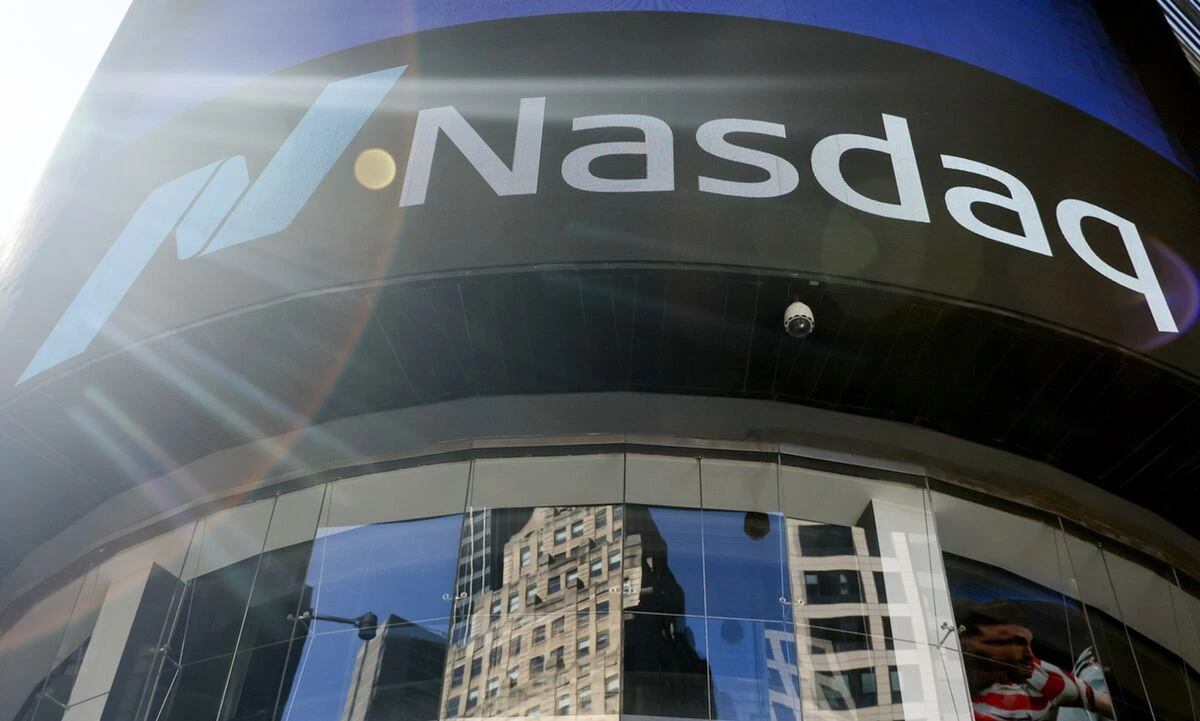
- Nasdaq Composite plunges 5.13% (down 1,225 points) to 22,654, completely erasing all 2026 equity gains.
- S&P 500 logs its seventh consecutive losing session, dropping 3.59% and declining more than 10% from October peak into formal correction.
- Global central banks and regulatory authorities in South Korea, Taiwan, and Europe deploy emergency liquidity and short-selling circuit breakers.
NEW YORK — A wave of intense, unrelenting selling pressure ripped through the New York financial markets on Monday, culminating in the sharpest single-day tech equity retreat of the year and dragging the benchmark S&P 500 index into its first official market correction since early 2023.
The dramatic downturn, which unfolded across electronic trading networks and the historic floor of the New York Stock Exchange, saw the tech-heavy Nasdaq Composite index plummet by an astonishing 1,225 points—or 5.13%—to close at 22,654.15. The single-day liquidation thoroughly wiped out what had remained of the Nasdaq's 2026 gains, transforming an autumn of speculative euphoria into an austere winter reckoning over the true commercial return on hundreds of billions of dollars in corporate artificial intelligence infrastructure spending.
The broad-market S&P 500 index suffered a corresponding blow, dropping 3.59% to finish the session at 6,918.45. The decline marked the index's seventh consecutive negative trading day, officially pushing the benchmark more than 10.2% below its all-time closing record established in mid-October. The Dow Jones Industrial Average similarly slid 908 points, or 1.85%, closing at 48,188.18 as institutional portfolio managers unloaded shares across industrial, financial, and consumer technology holdings to cover margin requirements.
The catalyst for the systemic unwind originated in the fragile public market debut of artificial intelligence pioneer Anthropic, whose highly anticipated initial public offering last week failed to establish the sustained upward momentum Wall Street analysts had forecast. Instead, institutional investors utilized the liquidity event to aggressively lock in profits across mega-cap tech infrastructure providers, sparking a cascading chain reaction of algorithmic stop-loss triggers.
Semiconductor titan Nvidia bore the brunt of the institutional rotation, sinking roughly 14% over a brutal two-day stretch and dragging downstream hardware assemblers, data center cooling suppliers, and chip fabrication networks into steep declines. Shares of Broadcom, Advanced Micro Devices, and Micron Technology recorded double-digit percentage drops as trading volumes eclipsed three times their 30-day moving averages.
"What markets are experiencing is not an exogenous macroeconomic shock, but an internal valuation reality check that has been building since corporate earnings reports revealed that the gap between enterprise AI capital expenditures and realized software revenues remains cavernous," remarked Michael Hartnett, chief investment strategist at Bank of America Securities in Midtown. "When hyperscale cloud corporations are spending $250 billion a year on computing clusters while monetization is measured in single-digit billions, the multiple compression was mathematically inevitable."
The turbulence reverberated instantly across international bourses, prompting foreign monetary authorities to take unprecedented defensive measures over the weekend. In Seoul, South Korean financial regulators convened an emergency session to reactivate a dormant stock market stabilization fund and loosen corporate share buyback regulations after the Kospi index experienced heavy spillover selling. In Taipei and Shanghai, monetary officials tightened margin financing requirements and expanded short-selling circuit breakers to prevent disorderly liquidations.
On Wall Street, the Cboe Volatility Index (VIX)—colloquially recognized as the market's 'fear gauge'—surged toward 34 points, a level not witnessed since the height of regional banking anxieties in 2023. Fixed-income markets witnessed a fierce flight to quality, with benchmark 10-year U.S. Treasury yields falling 14 basis points to 4.12% as traders sought shelter in sovereign debt.
While early morning index futures hinted at a tentative technical rebound as value-oriented asset managers stepped in to acquire oversold dividend blue chips, seasoned market veterans warned that broad-based momentum sell-offs typically require weeks of price discovery before establishing a durable cyclical bottom. Federal Reserve officials scheduled to deliver public addresses later this week are expected to face intense scrutiny regarding whether the financial tightening will alter the central bank's interest rate trajectory heading into the December FOMC policy summit.
Congressional testimony scheduled for later this month is expected to address cross-agency coordination, focusing specifically on supply chain resiliency, sovereign compute clusters, and long-term capital allocation strategies designed to safeguard domestic competitiveness.