Global Markets Rebound After 2.5 Trillion Tech Sell-Off
Global stock exchanges staged a resilient rebound on Monday morning, clawing back losses after a historic $2.5 trillion tech-led wipeout sparked by midterm election turbulence and regulatory anxiety surrounding artificial intelligence infrastructure.
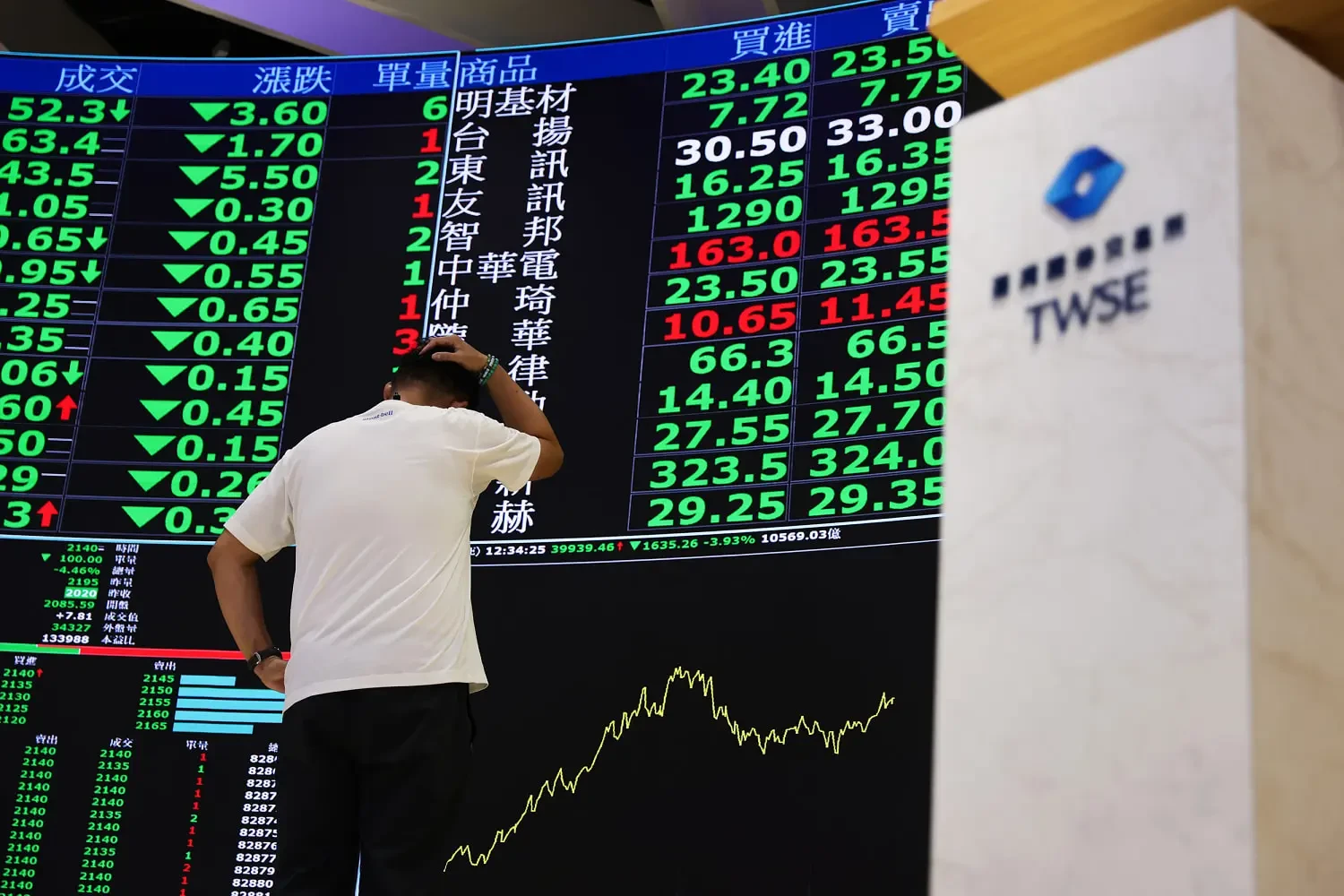
- Global stock indices advance Monday, recovering from last week’s historic $2.5 trillion tech equity sell-off.
- Asian benchmarks Nikkei and Taiex surge over 1.8% as institutional buyers step in to purchase discounted tech shares.
- Solid U.S. labor market indicators and steady consumer demand help calm broader economic recession fears.
NEW YORK, LONDON & TOKYO — International financial markets exhibited substantial resilience on Monday morning, staging a broad-based recovery that stabilized equities following one of the most volatile trading weeks of the year. Benchmark indices across Asia, Europe, and Wall Street futures pushed firmly into positive territory, erasing a meaningful portion of the staggering $2.5 trillion market capitalization wiped out during last week's brutal tech-sector sell-off that had rattled institutional investors and pension portfolios worldwide.
The previous week's market rout was precipitated by a sharp intersection of macro-political shifts and tech-sector turbulence. The Democratic Party's capture of both chambers of Congress during Tuesday's midterm elections sparked immediate Wall Street anxiety over the prospect of heightened regulatory scrutiny, antitrust enforcement, and potential legislative caps on commercial artificial intelligence computing subsidies. Compounding those political concerns were high-profile corporate governance developments surrounding major semiconductor titans and a growing chorus of Wall Street analysts warning that mega-cap technology firms were overspending on data center construction ahead of clear near-term software monetization.
However, sentiment pivoted decisively as Asian markets opened Monday's global session. Tokyo's Nikkei 225 jumped 1.8 percent, while Taiwan's Taiex and South Korea's Kospi each gained over two percent, led by vigorous dip-buying in advanced manufacturing, banking, and clean energy counters. In early European trading, the FTSE 100 in London, Frankfurt's DAX, and the CAC 40 in Paris posted solid gains, bolstered by stronger-than-expected corporate earnings guidance and a modest easing in international crude oil prices, which settled back toward ninety-five dollars per barrel after days of heightened Middle East maritime tensions.
On Wall Street, S&P 500 and Nasdaq-100 futures pointed to a robust opening bell, with institutional fund managers stepping in to accumulate heavily discounted blue-chip technology and industrial shares. Economists noted that underlying macroeconomic fundamentals in the United States remain exceptionally sturdy, pointing to robust domestic employment data, resilient consumer spending figures, and easing wholesale producer inflation prints that suggest the Federal Reserve retains ample policy runway to navigate upcoming interest rate decisions.
"The intense volatility we experienced late last week was a necessary valuation decompression rather than the beginning of a prolonged bear market," said Marcus Vance, chief global equity strategist at Vanguard Horizon Capital. "Investors had priced technology multiples to near-perfection. Now that the initial political shock of the midterm elections has been absorbed and corporate leadership questions are being openly addressed, market participants are recognizing that corporate balance sheets and balance sheet liquidity remain in remarkably strong health."
Congressional testimony scheduled for later this month is expected to address cross-agency coordination, focusing specifically on supply chain resiliency, sovereign compute clusters, and long-term capital allocation strategies designed to safeguard domestic competitiveness.