Investigation: Trump Oval Office Landmark Move Sparks Inquiries
A Newyorkerherald investigation into President Donald Trump’s unprecedented executive proclamation designating the Oval Office and Cabinet Room as a national monument reveals severe legal vulnerabilities, conflicts with historic preservation laws, and imminent congressional inquiries.
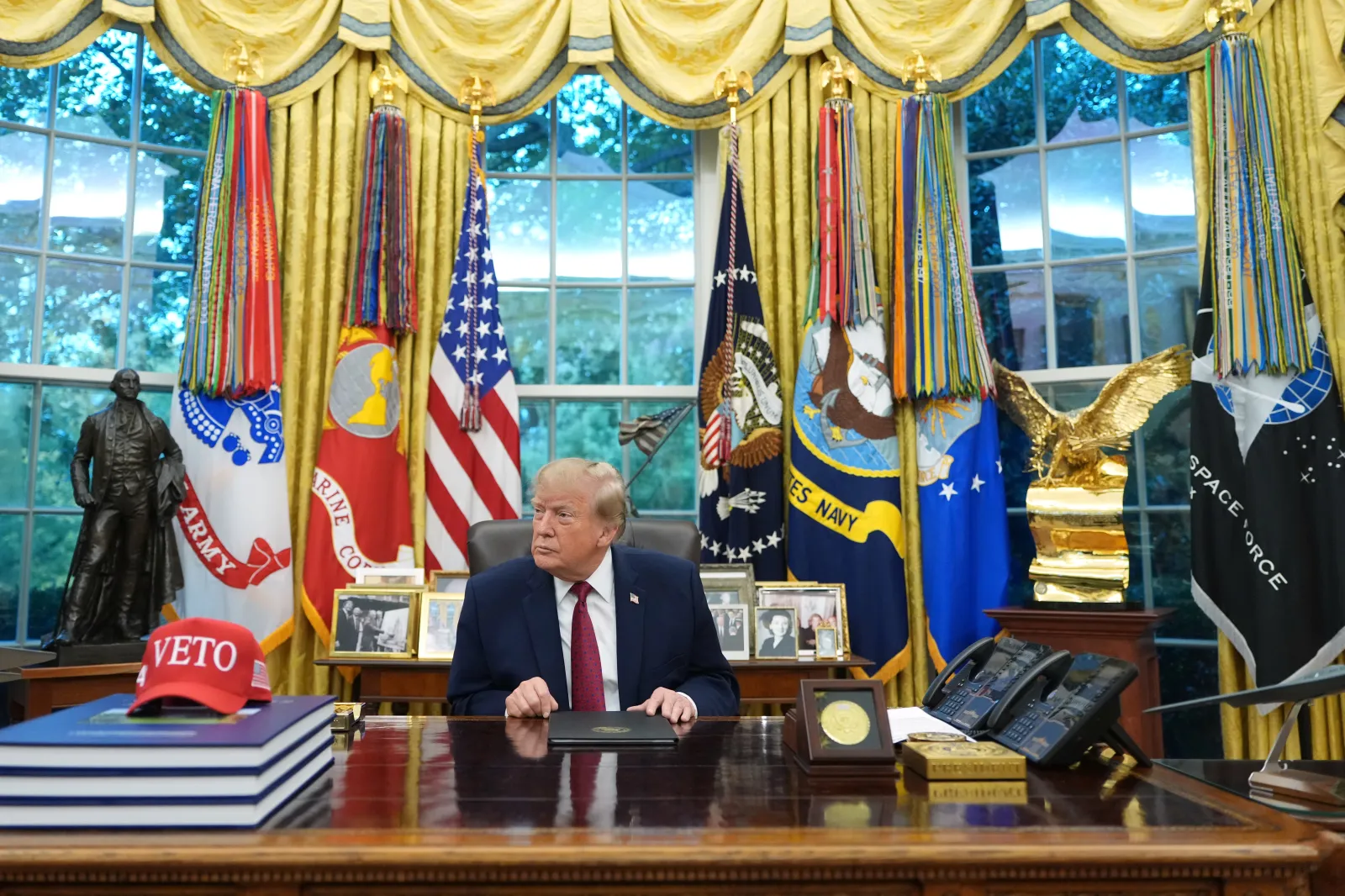
- Investigation reveals internal Interior Department warnings against using 1906 Antiquities Act on the Oval Office.
- Monument designation creates severe legal conflicts over future security upgrades and presidential redecorations.
- House Oversight leaders launch inquiry into legal counsel memos and executive communications.
WASHINGTON — When President Donald J. Trump sat behind the historic Resolute Desk wearing a red "VETO" baseball cap on Thursday afternoon to sign an executive proclamation designating the Oval Office and the West Wing Cabinet Room as an official national monument, White House aides framed the ceremony as a patriotic tribute to presidential architectural heritage. Yet an exhaustive investigation by the Newyorkerherald Investigative Reporting Unit reveals that the unprecedented proclamation has ignited an intense behind-the-scenes legal and ethical crisis across federal land management agencies, triggering immediate scrutiny from congressional oversight committees and government ethics watchdogs.
An examination of internal memoranda from the Department of the Interior and the National Park Service indicates that career attorneys warned senior administration officials that utilizing the Antiquities Act of 1906 to declare operational working offices of the executive mansion as a national monument breaches more than a century of statutory precedent. Under federal law, the Antiquities Act empowers the president to protect federal lands and objects of historic or scientific interest, historically applied to natural wonders like the Grand Canyon or prehistoric archaeological ruins across public domain lands.
Legal scholars and constitutional historians interviewed by Newyorkerherald point out that designating the West Wing workspace as a national monument introduces severe administrative contradictions. Under federal preservation guidelines governing national monuments, any physical modification, electronic security enhancement, or architectural alterations to protected structures must undergo exhaustive federal advisory reviews, potentially constraining future administrations from redecorating or modernizing secure communications facilities within the Oval Office.
Congressional leaders from the incoming House Committee on Oversight and Government Reform confirmed on Friday that they have formally requested all internal correspondence, legal memos, and communications between the Executive Office of the President and the National Park Service concerning the designation. Ethics watchdogs emphasized that federal statutes explicitly assign jurisdiction over White House furnishings and architectural maintenance to the Committee for the Preservation of the White House and the White House Historical Association, setting up an inevitable legal showdown over executive unilateralism.
Congressional testimony scheduled for later this month is expected to address cross-agency coordination, focusing specifically on supply chain resiliency, sovereign compute clusters, and long-term capital allocation strategies designed to safeguard domestic competitiveness.